加载中…
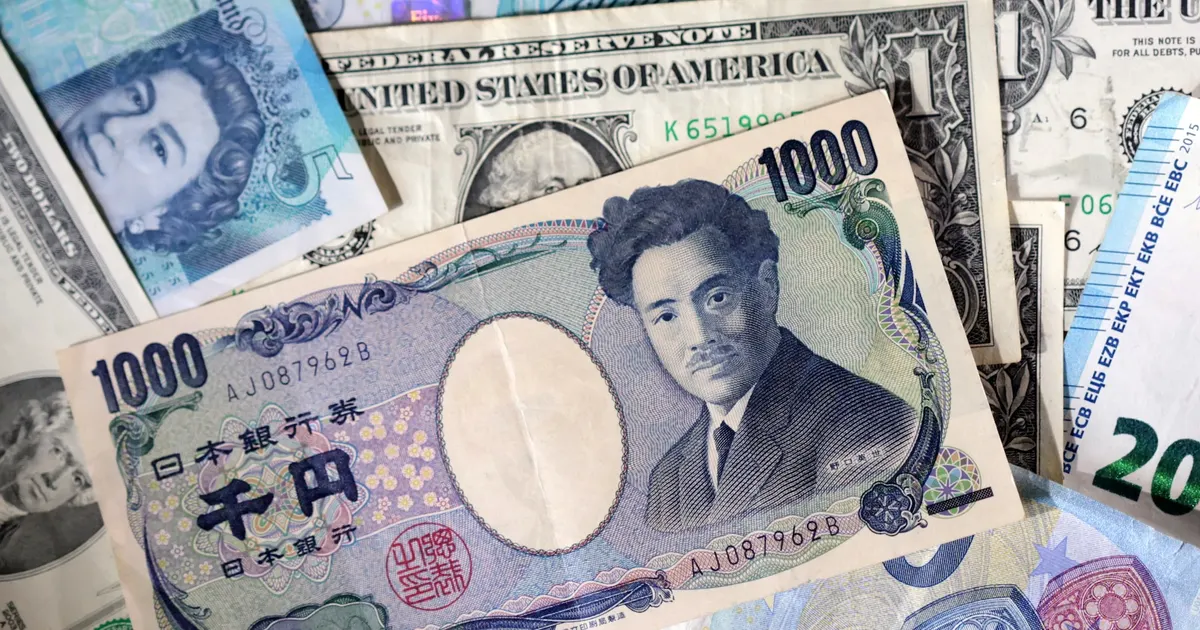
The euro and yen fell on Monday as higher oil prices weighed on currencies of countries most exposed to energy shortages. The dollar gained from a safe-haven bid tied to conflict in the Middle East.
Energy importers' currencies weaken when oil rises, which raises import costs for feed-importing economies and can shift feed purchasing power. A firmer dollar also makes dollar-priced commodities more expensive for buyers outside the US.
 reuters.comKaren Brettell2026年3月1日
在过去 656 次看涨的地缘政治事件之后,原油(Brent) 在 5 个交易日内中位数变动 +1.9%(63% 上涨;中间一半区间为 -2.7% 至 +6.6%),20 个交易日内为 +0.7%。
在过去 36 次看跌的地缘政治事件之后,欧元(每 EUR 的 USD) 在 5 个交易日内中位数变动 -1.0%(22% 上涨;中间一半区间为 -1.8% 至 -0.3%),20 个交易日内为 -0.7%。
在过去 89 次看涨的地缘政治事件之后,美元(广义) 在 5 个交易日内中位数变动 +0.5%(74% 上涨;中间一半区间为 -0.0% 至 +1.0%),20 个交易日内为 +0.3%。
各商品基准价相对事件前最后收盘价的变动。历史数据汇总同类过往事件;仅描述已发生的情况,不代表未来走势。不构成投资建议。
Euro fell as higher oil prices from Middle East escalation hit energy-importing currencies while the dollar gained safe-haven demand, directly matching the 1-day move.
The euro and yen fell against the dollar on higher oil prices and a safe-haven bid, which are major components of the broad dollar index move.
