加载中…
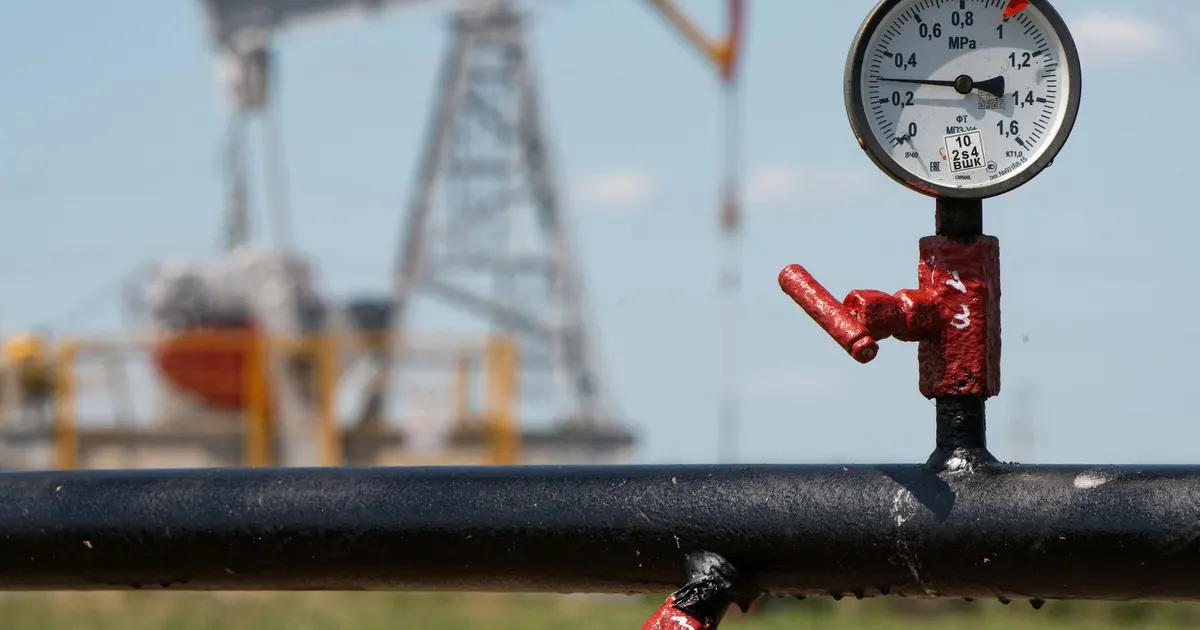
US crude futures jumped about 12% a barrel after the Strait of Hormuz was effectively closed for seven days. Roughly 140 million barrels of oil that normally transit the waterway each day have been disrupted.
Loss of Hormuz flows removes about a fifth of world oil supply, pushing crude and energy-linked input costs sharply higher. Higher diesel and fertilizer costs and freight rates raise the cost of feed production and shift demand toward substitutes.
 reuters.comErwin Seba2026年3月6日
在过去 626 次看涨的地缘政治事件之后,原油(WTI) 在 5 个交易日内中位数变动 +2.1%(62% 上涨;中间一半区间为 -2.3% 至 +8.5%),20 个交易日内为 +1.6%。
在过去 656 次看涨的地缘政治事件之后,原油(Brent) 在 5 个交易日内中位数变动 +1.9%(63% 上涨;中间一半区间为 -2.7% 至 +6.6%),20 个交易日内为 +0.7%。
在过去 250 次看涨的地缘政治事件之后,ULSD / 柴油 在 5 个交易日内中位数变动 +1.7%(58% 上涨;中间一半区间为 -3.6% 至 +8.7%),20 个交易日内为 +0.9%。
在过去 136 次看涨的地缘政治事件之后,天然气 在 5 个交易日内中位数变动 +2.7%(63% 上涨;中间一半区间为 -1.8% 至 +8.8%),20 个交易日内为 +4.0%。
各商品基准价相对事件前最后收盘价的变动。历史数据汇总同类过往事件;仅描述已发生的情况,不代表未来走势。不构成投资建议。
Dated March 6, it reports a roughly 12% jump in US crude futures after Hormuz was effectively closed for seven days, a direct supply shock that Brent shared.
Effective seven-day Hormuz closure disrupting huge oil volumes pushed crude futures sharply higher on March 6.
WTI surged about 12% in a day after Hormuz was effectively closed for a week, disrupting large crude flows.
Effective Hormuz closure for seven days disrupted flows and lifted crude futures sharply.
