加载中…
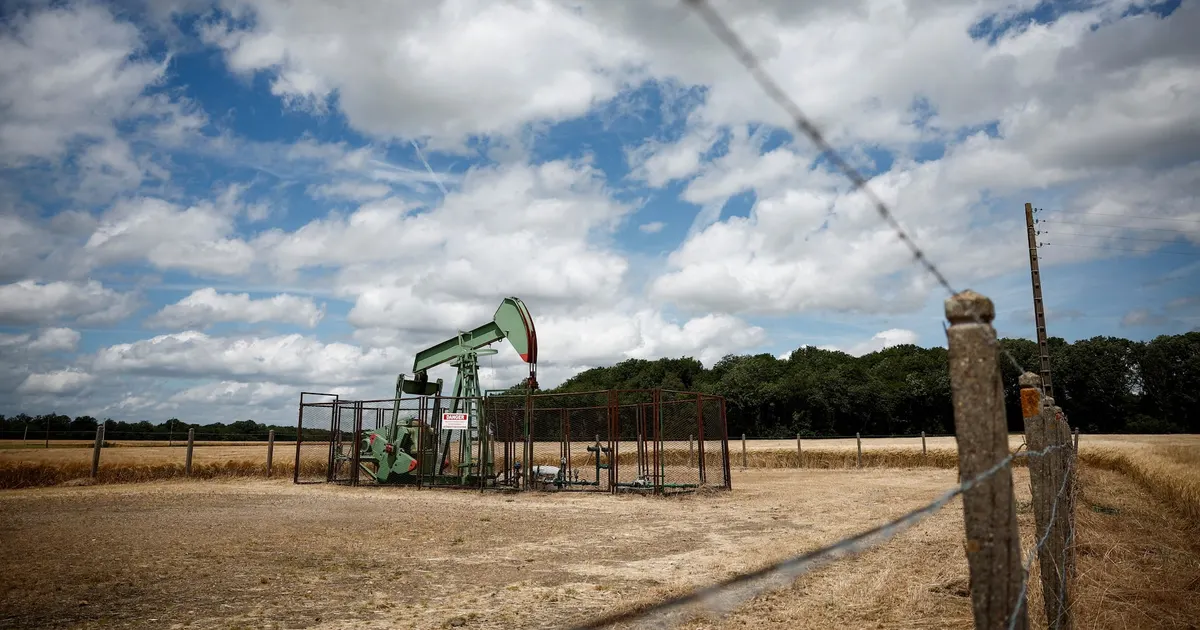
Brent crude settled at $74.23 a barrel, up 7.02%, on June 13 after Israel and Iran traded air strikes. Brent briefly rose over 13% to an intraday high of $78.50, its strongest level since January.
Investors feared the fighting could disrupt Middle East oil exports.
Fears of lost Middle East crude supply lift crude prices, which raises diesel and fuel costs for feed mills and transport. Higher crude also supports biofuel feedstock values, which can spill over into vegetable oil and corn prices.
 reuters.comErwin Seba2025年6月13日
在过去 656 次看涨的地缘政治事件之后,原油(Brent) 在 5 个交易日内中位数变动 +1.9%(63% 上涨;中间一半区间为 -2.7% 至 +6.6%),20 个交易日内为 +0.7%。
在过去 626 次看涨的地缘政治事件之后,原油(WTI) 在 5 个交易日内中位数变动 +2.1%(62% 上涨;中间一半区间为 -2.3% 至 +8.5%),20 个交易日内为 +1.6%。
各商品基准价相对事件前最后收盘价的变动。历史数据汇总同类过往事件;仅描述已发生的情况,不代表未来走势。不构成投资建议。
Brent settled up 7% on June 13 (intraday +13%) after Israel-Iran air strikes, the main driver of the 5-day gain via Middle East supply-risk premium.
Brent settled up about 7% on June 13 as Israel and Iran traded strikes, which directly explains the move through Middle East supply-risk sentiment.
Brent settled up 7% at $74.23 after Israel and Iran traded strikes, with an intraday spike above 13%, which accounts for most of the weekly gain.
Brent settled up 7% as Israel and Iran traded strikes, reflecting fears of Middle East export disruption that lifted WTI in step.
