加载中…
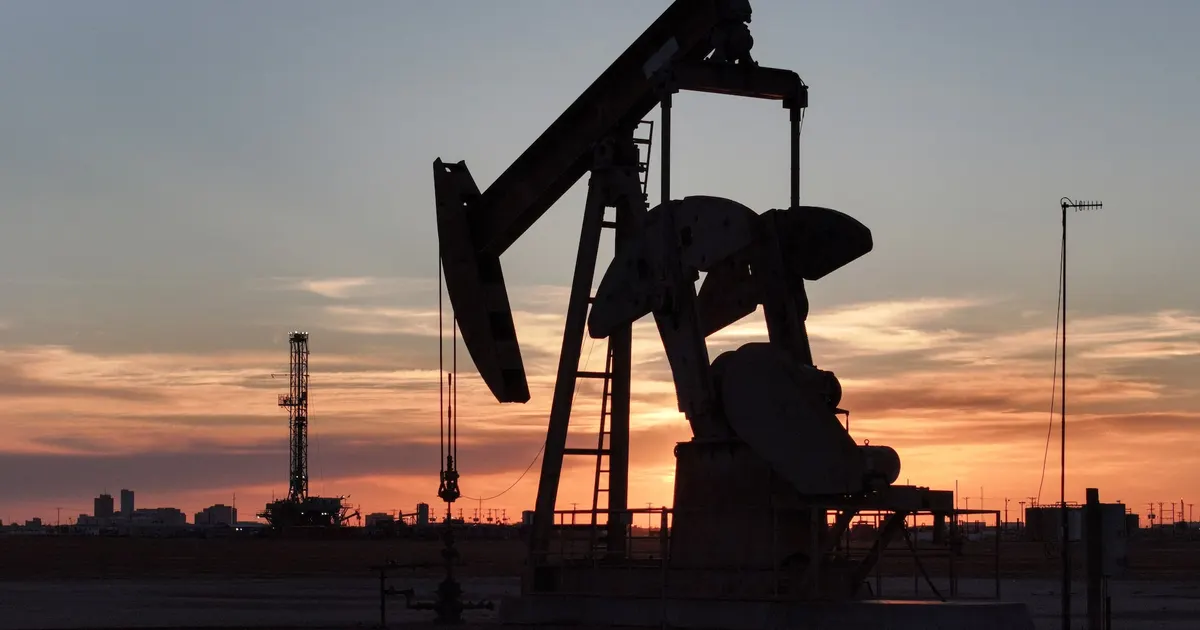
Oil settled up 9% as Iran vowed to keep the Strait of Hormuz closed. The IEA called it the biggest oil-supply disruption in market history and approved a record 400 million barrel strategic stock release.
Middle East Gulf output has been cut by at least 10 million barrels per day, and China banned refined fuel exports for March.
A cut of roughly 10 million barrels per day, nearly 10% of world demand, is a major supply shock that keeps crude and diesel prices elevated. Chinese fuel export ban and doubts over the stockpile release sustain upward pressure on energy costs.
 reuters.comSiddharth Cavale2026年3月12日
在过去 656 次看涨的地缘政治事件之后,原油(Brent) 在 5 个交易日内中位数变动 +1.9%(63% 上涨;中间一半区间为 -2.7% 至 +6.6%),20 个交易日内为 +0.7%。
在过去 626 次看涨的地缘政治事件之后,原油(WTI) 在 5 个交易日内中位数变动 +2.1%(62% 上涨;中间一半区间为 -2.3% 至 +8.5%),20 个交易日内为 +1.6%。
在过去 250 次看涨的地缘政治事件之后,ULSD / 柴油 在 5 个交易日内中位数变动 +1.7%(58% 上涨;中间一半区间为 -3.6% 至 +8.7%),20 个交易日内为 +0.9%。
各商品基准价相对事件前最后收盘价的变动。历史数据汇总同类过往事件;仅描述已发生的情况,不代表未来走势。不构成投资建议。
Same-day report of oil settling up 9% as Iran vowed to keep Hormuz closed, with the IEA calling it the biggest supply disruption ever and Gulf output cut by at least 10 mb/d; a direct supply driver.
Brent settled up ~9% on March 12 as Iran vowed to keep Hormuz closed and the IEA called it the biggest supply disruption ever, a major supply driver inside the 5-day window.
Oil up 9% on Mar 12 as Iran vowed to keep Hormuz closed, the IEA called it the biggest supply disruption ever, Gulf output was cut 10+ mb/d and China banned refined fuel exports, a direct supply shock inside the 5-day window.
Oil up 9% on March 12 as Iran vowed to keep Hormuz closed, with the IEA calling it the largest supply disruption ever and China banning refined fuel exports, which directly tightens diesel supply within the 5-day window.
