加载中…
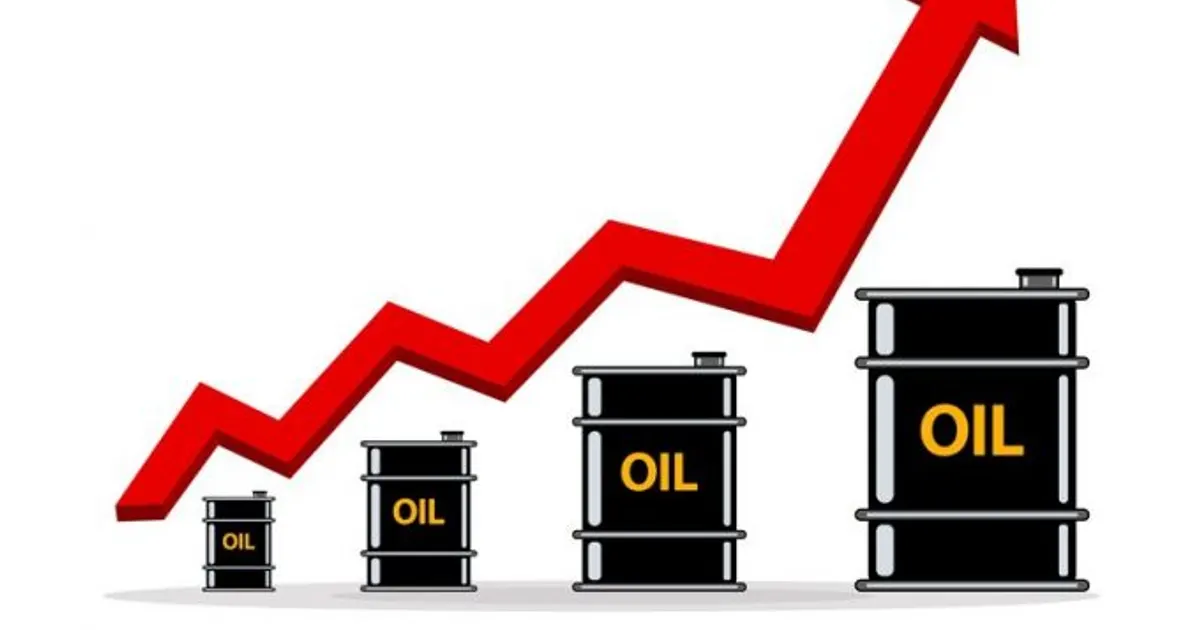
Shippers are bracing for emergency bunker adjustment factor surcharges as crude oil rose above $105 a barrel after Russia's invasion of Ukraine, with some analysts forecasting $130. Rotterdam low-sulphur fuel oil jumped more than $30 a ton to $731.50, up about 40% since December.
Higher bunker fuel costs feed directly into ocean freight surcharges, raising the cost of seaborne feed ingredient imports and supporting energy-linked price pressure.
 theloadstar.comMike Wackett2022年2月25日
在过去 26 次看涨的物流事件之后,原油(WTI) 在 5 个交易日内中位数变动 +1.2%(58% 上涨;中间一半区间为 -5.1% 至 +9.5%),20 个交易日内为 +2.0%。
在过去 22 次看涨的物流事件之后,原油(Brent) 在 5 个交易日内中位数变动 -0.7%(45% 上涨;中间一半区间为 -5.7% 至 +4.5%),20 个交易日内为 -1.2%。
在过去 113 次看涨的物流事件之后,ULSD / 柴油 在 5 个交易日内中位数变动 +0.6%(54% 上涨;中间一半区间为 -2.8% 至 +4.2%),20 个交易日内为 +0.2%。
历史可比事件尚不足,暂无法给出历史解读。
各商品基准价相对事件前最后收盘价的变动。历史数据汇总同类过往事件;仅描述已发生的情况,不代表未来走势。不构成投资建议。
Crude and bunker fuel prices surged after the Russian invasion (Feb 25), raising vessel operating costs and pushing freight rates up ahead of March 1.
