加载中…
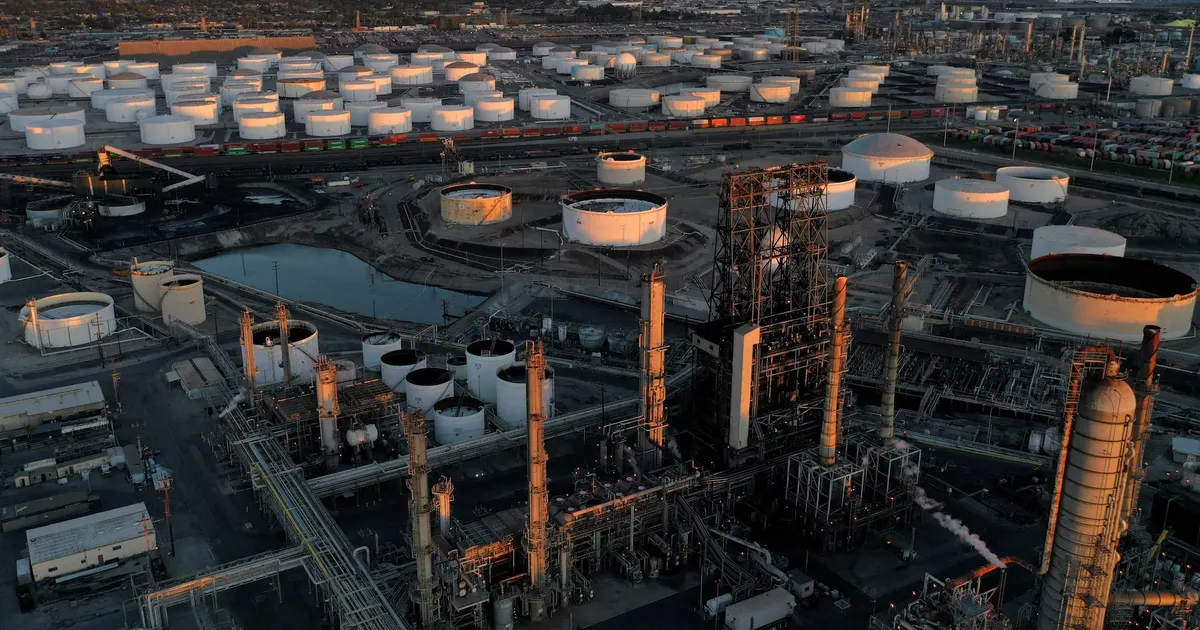
Oil fell about 9% on Tuesday, its biggest daily drop since March, as fears of a global recession and COVID lockdowns in China grew. WTI crude was among the benchmarks that slid sharply.
Expectations of weaker energy demand lower diesel and crude costs, which eases feed transport and processing costs but signals softer broader commodity demand.
 reuters.comLaila Kearney2022年7月5日
在过去 565 次看跌的宏观事件之后,原油(WTI) 在 5 个交易日内中位数变动 -1.4%(41% 上涨;中间一半区间为 -5.9% 至 +3.0%),20 个交易日内为 -0.5%。
在过去 312 次看跌的宏观事件之后,原油(Brent) 在 5 个交易日内中位数变动 -1.7%(38% 上涨;中间一半区间为 -5.4% 至 +2.3%),20 个交易日内为 -1.7%。
在过去 79 次看跌的宏观事件之后,ULSD / 柴油 在 5 个交易日内中位数变动 -1.0%(39% 上涨;中间一半区间为 -5.7% 至 +1.7%),20 个交易日内为 -1.5%。
各商品基准价相对事件前最后收盘价的变动。历史数据汇总同类过往事件;仅描述已发生的情况,不代表未来走势。不构成投资建议。
Reports the oil plunge on July 5, the biggest daily drop since March, driven by global recession and China lockdown fears (demand destruction).
Oil's biggest daily drop since March on recession and China lockdown demand fears directly drove the diesel sell-off.
