加载中…
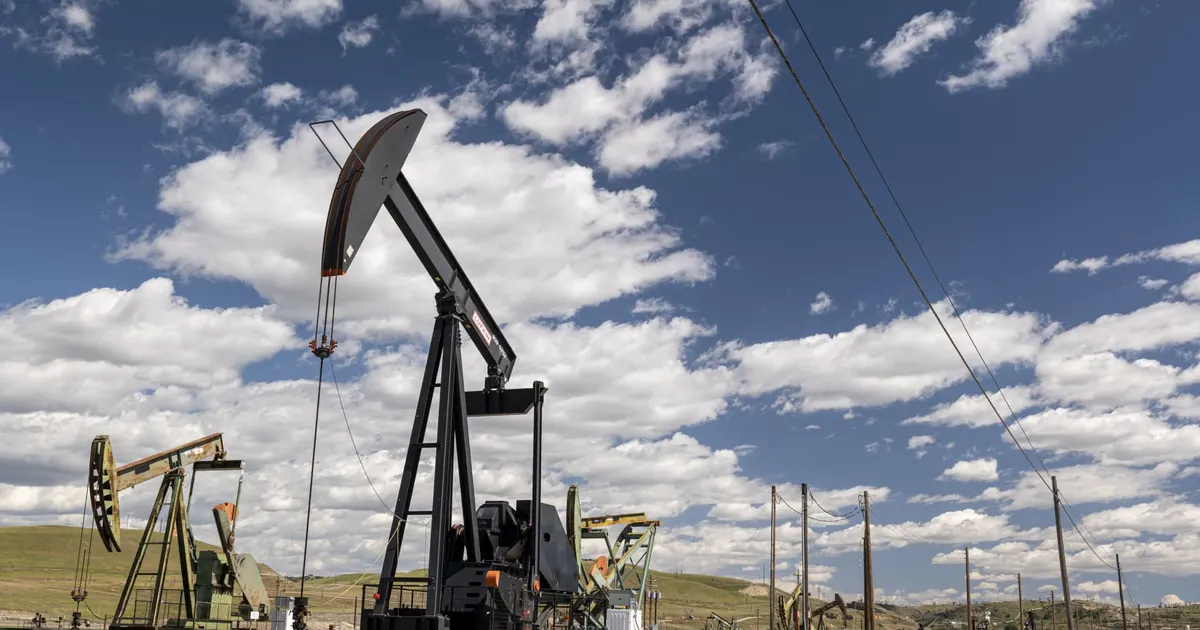
WTI settled down 8.24% at $99.50 per barrel after trading as low as $97.43, and Brent settled down 9.45% at $102.77. The sell-off reflected recession fears that are curbing oil demand, with Citi warning Brent could fall to $65 by year-end if the economy enters recession.
A sharp fall in crude and product prices driven by demand fears lowers energy input costs for feed production. Recession-driven demand loss could extend the decline in fuel and energy-linked costs.
 cnbc.comPippa Stevens2022年7月5日
在过去 565 次看跌的宏观事件之后,原油(WTI) 在 5 个交易日内中位数变动 -1.4%(41% 上涨;中间一半区间为 -5.9% 至 +3.0%),20 个交易日内为 -0.5%。
在过去 312 次看跌的宏观事件之后,原油(Brent) 在 5 个交易日内中位数变动 -1.7%(38% 上涨;中间一半区间为 -5.4% 至 +2.3%),20 个交易日内为 -1.7%。
在过去 79 次看跌的宏观事件之后,ULSD / 柴油 在 5 个交易日内中位数变动 -1.0%(39% 上涨;中间一半区间为 -5.7% 至 +1.7%),20 个交易日内为 -1.5%。
各商品基准价相对事件前最后收盘价的变动。历史数据汇总同类过往事件;仅描述已发生的情况,不代表未来走势。不构成投资建议。
Directly describes the July 5 WTI selloff (settled -8.24% to $99.50) on recession fears curbing oil demand, with Citi's bearish call.
WTI and Brent fell about 8-9% on July 5 on recession fears, cutting crude input cost and dragging ULSD sharply lower within the window.
