加载中…
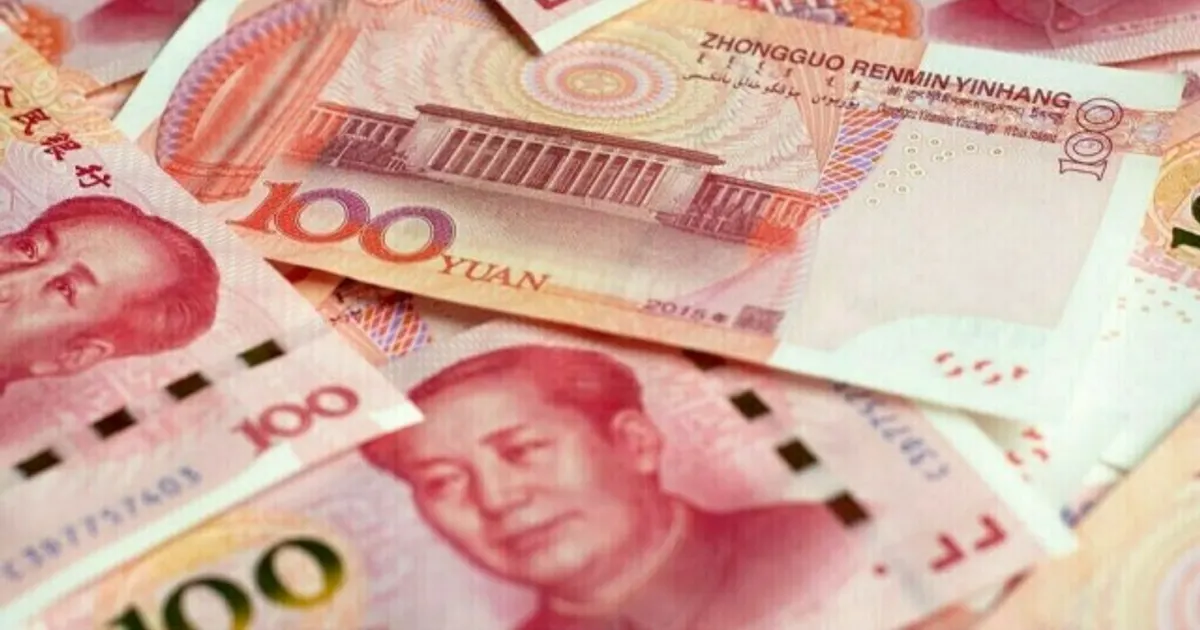
The yuan touched a more than two-year low against the dollar on Sept. 5, pressured by broad dollar strength and a resurgence of COVID-19 infections.
Shenzhen adopted tiered anti-virus restrictions and Chengdu extended lockdown curbs, while the PBOC set firmer-than-expected fixings.
Renewed COVID restrictions weaken Chinese economic activity and feed demand, and a weaker yuan raises the dollar cost of imports, both bearish for feed ingredient purchases.
 brecorder.comReuters2022年9月5日
在过去 487 次看涨各类事件之后,人民币(每 USD 的 CNY) 在 5 个交易日内中位数变动 +0.1%(56% 上涨;中间一半区间为 -0.3% 至 +0.6%),20 个交易日内为 +0.1%。
在过去 50 次看跌的疫病事件之后,大豆 在 5 个交易日内中位数变动 +0.5%(58% 上涨;中间一半区间为 -1.7% 至 +2.4%),20 个交易日内为 +0.0%。
在过去 117 次看跌的疫病事件之后,生猪(瘦肉型) 在 5 个交易日内中位数变动 -0.6%(36% 上涨;中间一半区间为 -2.2% 至 +1.6%),20 个交易日内为 +1.2%。
各商品基准价相对事件前最后收盘价的变动。历史数据汇总同类过往事件;仅描述已发生的情况,不代表未来走势。不构成投资建议。
Dollar strength and COVID resurgence pushed the yuan to a two-year low on Sept. 5, setting the extreme starting point for the sharp reversal and contributing to the volatility.
