加载中…
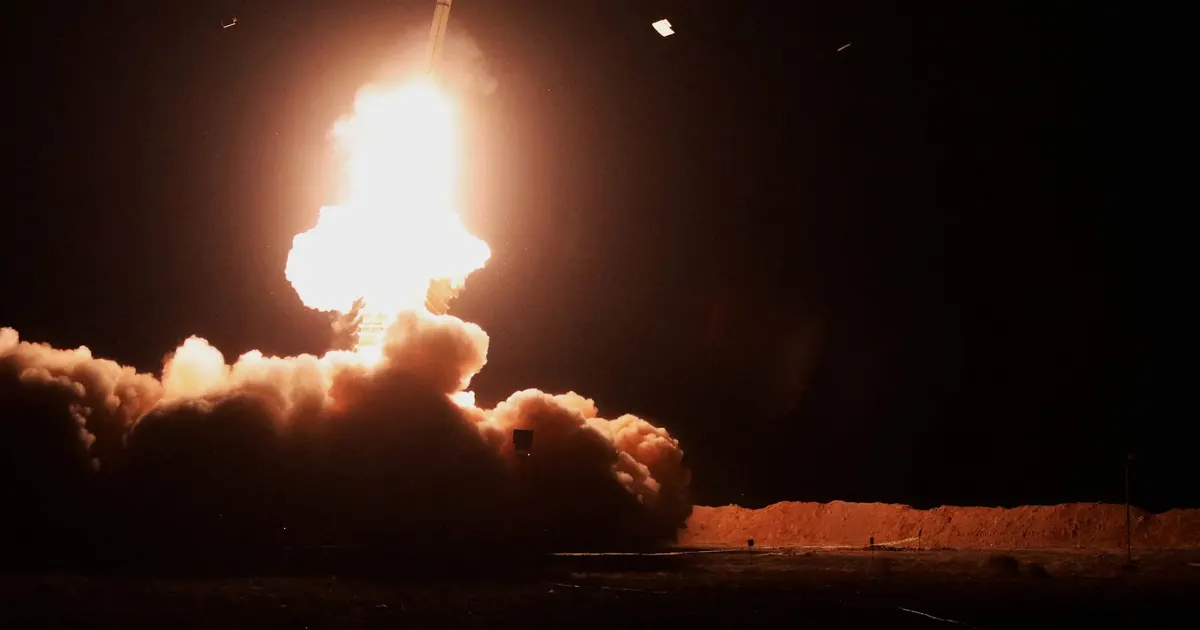
Israel and Iran launched fresh attacks on each other on Sunday, killing and wounding civilians and raising fears of a wider regional conflict. Yemen's Houthis joined the fighting, and crude oil prices initially rose near 4% when markets reopened.
U.S. stock futures opened slightly lower as investors moved to risk-off positions.
Threats to Middle East oil production and transport raise crude prices, which lift diesel and energy costs for feed mills and transport. Higher energy costs can also support soyoil and other biofuel-linked feed inputs.
 reuters.comSaqib Iqbal Ahmed2025年6月14日
在过去 656 次看涨的地缘政治事件之后,原油(Brent) 在 5 个交易日内中位数变动 +1.9%(63% 上涨;中间一半区间为 -2.7% 至 +6.6%),20 个交易日内为 +0.7%。
在过去 626 次看涨的地缘政治事件之后,原油(WTI) 在 5 个交易日内中位数变动 +2.1%(62% 上涨;中间一半区间为 -2.3% 至 +8.5%),20 个交易日内为 +1.6%。
各商品基准价相对事件前最后收盘价的变动。历史数据汇总同类过往事件;仅描述已发生的情况,不代表未来走势。不构成投资建议。
Fresh strikes and the Houthis joining the fighting lifted crude about 4% at the Monday reopen, adding to the rally on wider-war fears.
The weekend escalation, with the Houthis joining, lifted crude about 4% when markets reopened, adding to the gains through June 15.
