กำลังโหลด…
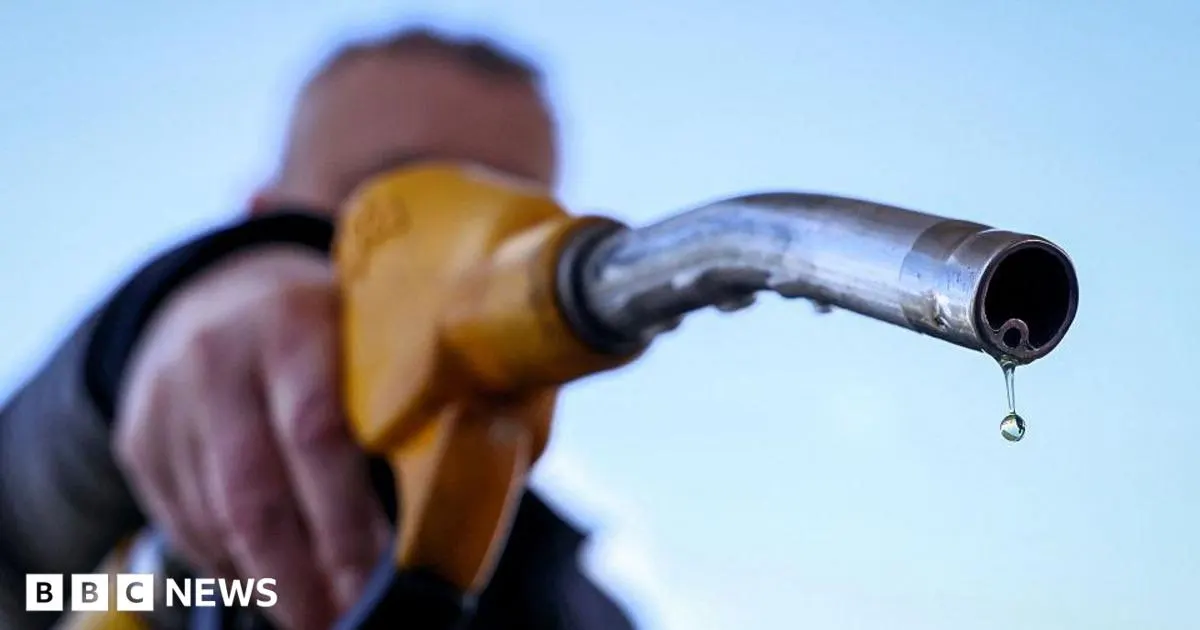
Oil and gas prices fell sharply on Tuesday after US President Donald Trump said the war in Iran was "very complete, pretty much." Crude had nearly reached $120 a barrel on Monday over fears of prolonged disruption to Middle East energy supplies, then dropped below $90. Traffic through the Strait of Hormuz has nearly halted since the war began.
Energy price swings feed directly into costs for fuel, fertilizer and freight, which affect feed production margins. The Hormuz disruption threatens global supply, so prices could rebound quickly if the strait stays blocked.
 bbc.co.ukPeter Hoskins, Nick Edser10 มี.ค. 2569
หลัง 255 เหตุการณ์ภูมิรัฐศาสตร์ที่ขาลงในอดีต น้ำมันดิบ (WTI) เคลื่อนไหวเฉลี่ย -2.4% ใน 5 วันทำการ (31% สูงขึ้น; ช่วงกลาง -7.0% ถึง +1.7%) และ -5.0% ใน 20 วัน.
หลัง 250 เหตุการณ์ภูมิรัฐศาสตร์ที่ขาลงในอดีต น้ำมันดิบ (Brent) เคลื่อนไหวเฉลี่ย -3.1% ใน 5 วันทำการ (36% สูงขึ้น; ช่วงกลาง -7.9% ถึง +1.6%) และ -5.5% ใน 20 วัน.
หลัง 15 เหตุการณ์ภูมิรัฐศาสตร์ที่ขาลงในอดีต ก๊าซธรรมชาติ เคลื่อนไหวเฉลี่ย -1.1% ใน 5 วันทำการ (40% สูงขึ้น; ช่วงกลาง -9.2% ถึง +2.4%) และ +4.7% ใน 20 วัน.
หลัง 51 เหตุการณ์ภูมิรัฐศาสตร์ที่ขาลงในอดีต ULSD / ดีเซล เคลื่อนไหวเฉลี่ย -2.4% ใน 5 วันทำการ (37% สูงขึ้น; ช่วงกลาง -8.2% ถึง +3.9%) และ -2.3% ใน 20 วัน.
การเคลื่อนไหวของราคาอ้างอิงของแต่ละสินค้านับจากการปิดตลาดครั้งสุดท้ายก่อนเหตุการณ์ ข้อมูลย้อนหลังรวมเหตุการณ์ชนิดเดียวกันในอดีต ซึ่งบอกสิ่งที่เกิดขึ้น ไม่ได้บอกสิ่งที่จะเกิด ไม่ใช่คำแนะนำการลงทุน
Trump calling the war 'very complete' sent crude from near $120 to below $90, driving the sharp drop.
Oil fell on March 10 after Trump said the war was nearly complete, a sentiment-driven dip within the window that shaped the path of the weekly move.
