กำลังโหลด…
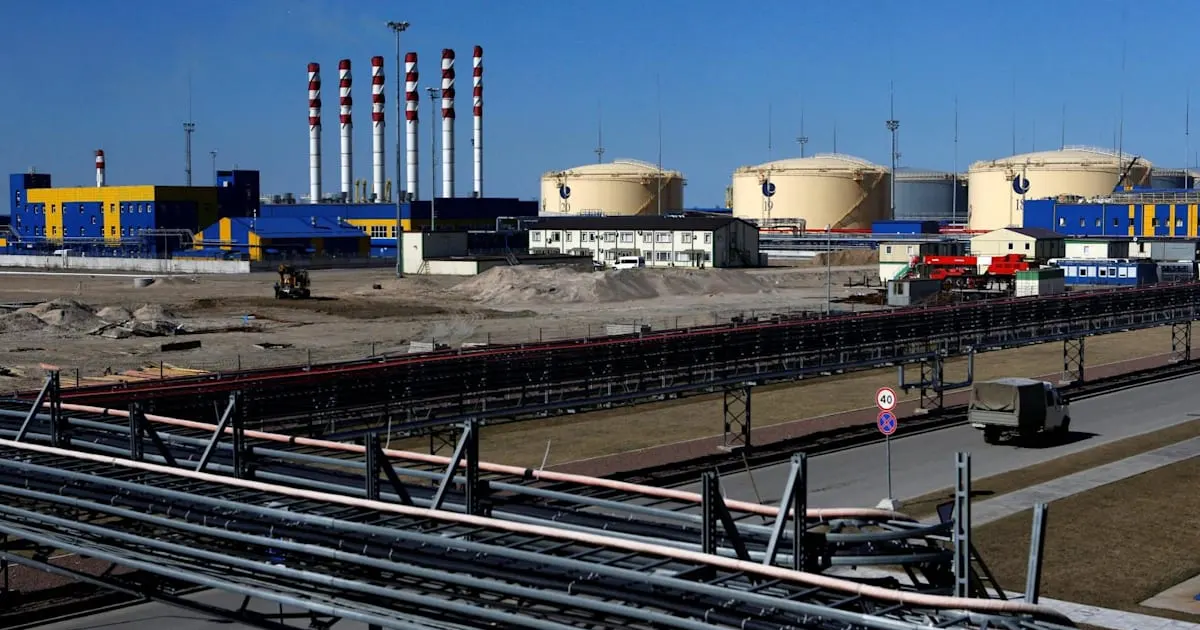
Oil prices fell on 14 April as signs of possible talks to end the US-Israeli war on Iran eased supply risks tied to the blockade of the Strait of Hormuz. Brent slipped about 0.6% to US$98.74 and WTI fell 2.3% to US$96.78.
The IEA said March saw the largest oil supply disruption in history, with 10.1 million barrels per day lost, and expects demand to slump sharply in the second quarter.
Crude prices feed directly into diesel, fertilizer and freight costs for feed production and transport, and biofuel demand for soybean oil. Talks-driven declines lower energy input costs but physical supply losses limit how far the price can fall.
 channelnewsasia.com13 เม.ย. 2569
หลัง 250 เหตุการณ์ภูมิรัฐศาสตร์ที่ขาลงในอดีต น้ำมันดิบ (Brent) เคลื่อนไหวเฉลี่ย -3.1% ใน 5 วันทำการ (36% สูงขึ้น; ช่วงกลาง -7.9% ถึง +1.6%) และ -5.5% ใน 20 วัน.
หลัง 255 เหตุการณ์ภูมิรัฐศาสตร์ที่ขาลงในอดีต น้ำมันดิบ (WTI) เคลื่อนไหวเฉลี่ย -2.4% ใน 5 วันทำการ (31% สูงขึ้น; ช่วงกลาง -7.0% ถึง +1.7%) และ -5.0% ใน 20 วัน.
หลัง 51 เหตุการณ์ภูมิรัฐศาสตร์ที่ขาลงในอดีต ULSD / ดีเซล เคลื่อนไหวเฉลี่ย -2.4% ใน 5 วันทำการ (37% สูงขึ้น; ช่วงกลาง -8.2% ถึง +3.9%) และ -2.3% ใน 20 วัน.
หลัง 28 เหตุการณ์ภูมิรัฐศาสตร์ที่ขาลงในอดีต น้ำมันถั่วเหลือง เคลื่อนไหวเฉลี่ย -2.7% ใน 5 วันทำการ (21% สูงขึ้น; ช่วงกลาง -8.3% ถึง -0.7%) และ -2.1% ใน 20 วัน.
การเคลื่อนไหวของราคาอ้างอิงของแต่ละสินค้านับจากการปิดตลาดครั้งสุดท้ายก่อนเหตุการณ์ ข้อมูลย้อนหลังรวมเหตุการณ์ชนิดเดียวกันในอดีต ซึ่งบอกสิ่งที่เกิดขึ้น ไม่ได้บอกสิ่งที่จะเกิด ไม่ใช่คำแนะนำการลงทุน
