กำลังโหลด…
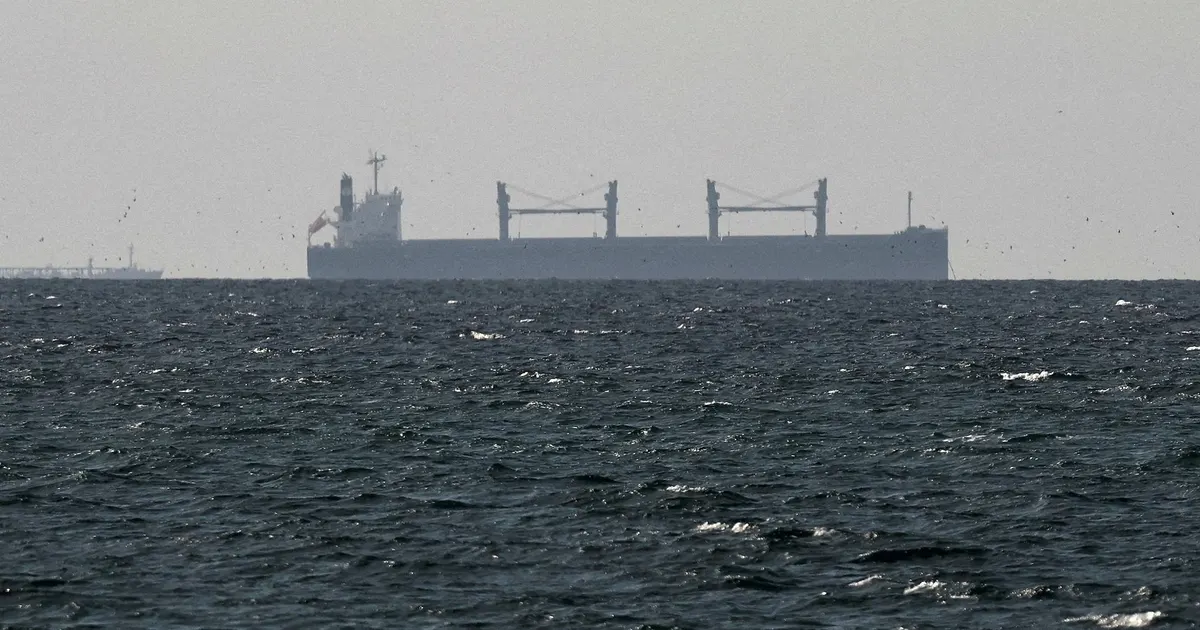
Oil fell about 9% on Friday after Iran declared the Strait of Hormuz open, easing supply fears. Trump said the US would recover enriched uranium at a leisurely pace while talks on a memorandum to end the war continued.
A US military blockade of Iran remains in effect.
Reopening Hormuz eases the geopolitical risk premium and tightens-to-loosens physical crude flows, pushing energy prices lower. Lower diesel and crude costs also ease feed transport and fertilizer input pressures, while the blockade keeps the reversal risk alive.
 reuters.comGeorgina Mccartney17 เม.ย. 2569
หลัง 255 เหตุการณ์ภูมิรัฐศาสตร์ที่ขาลงในอดีต น้ำมันดิบ (WTI) เคลื่อนไหวเฉลี่ย -2.4% ใน 5 วันทำการ (31% สูงขึ้น; ช่วงกลาง -7.0% ถึง +1.7%) และ -5.0% ใน 20 วัน.
หลัง 250 เหตุการณ์ภูมิรัฐศาสตร์ที่ขาลงในอดีต น้ำมันดิบ (Brent) เคลื่อนไหวเฉลี่ย -3.1% ใน 5 วันทำการ (36% สูงขึ้น; ช่วงกลาง -7.9% ถึง +1.6%) และ -5.5% ใน 20 วัน.
หลัง 51 เหตุการณ์ภูมิรัฐศาสตร์ที่ขาลงในอดีต ULSD / ดีเซล เคลื่อนไหวเฉลี่ย -2.4% ใน 5 วันทำการ (37% สูงขึ้น; ช่วงกลาง -8.2% ถึง +3.9%) และ -2.3% ใน 20 วัน.
หลัง 15 เหตุการณ์ภูมิรัฐศาสตร์ที่ขาลงในอดีต ก๊าซธรรมชาติ เคลื่อนไหวเฉลี่ย -1.1% ใน 5 วันทำการ (40% สูงขึ้น; ช่วงกลาง -9.2% ถึง +2.4%) และ +4.7% ใน 20 วัน.
การเคลื่อนไหวของราคาอ้างอิงของแต่ละสินค้านับจากการปิดตลาดครั้งสุดท้ายก่อนเหตุการณ์ ข้อมูลย้อนหลังรวมเหตุการณ์ชนิดเดียวกันในอดีต ซึ่งบอกสิ่งที่เกิดขึ้น ไม่ได้บอกสิ่งที่จะเกิด ไม่ใช่คำแนะนำการลงทุน
Iran declaring the Strait of Hormuz open on Apr 17 eased supply-disruption fears and drove the ~9% one-day Brent drop directly.
Oil settled down about 9% on Friday as Hormuz reopening eased supply fears, directly within the 5-day window.
