กำลังโหลด…
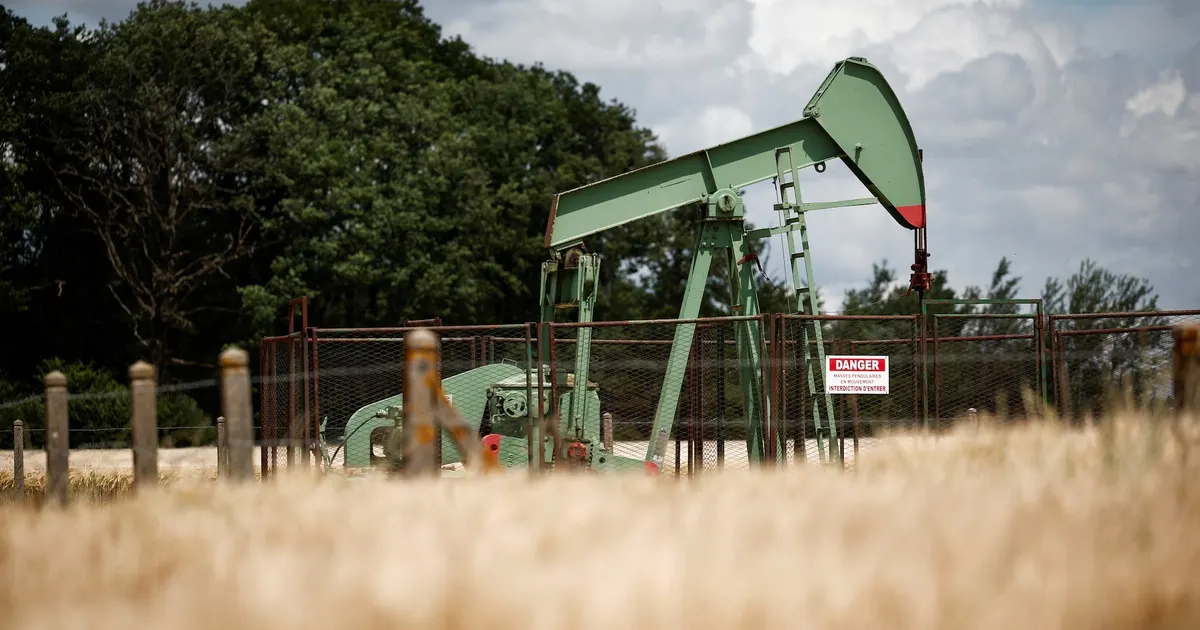
Oil settled down more than 7% on Monday after Iran avoided disrupting Strait of Hormuz tanker traffic and instead attacked a U.S. base in Qatar. Brent closed down $5.53 at $71.48 a barrel, its steepest one-day drop since August 2022.
A large drop in crude removes the Gulf supply-disruption premium, sharply lowering diesel and energy input costs for feed producers.
 reuters.comArathy Somasekhar23 มิ.ย. 2568
หลัง 250 เหตุการณ์ภูมิรัฐศาสตร์ที่ขาลงในอดีต น้ำมันดิบ (Brent) เคลื่อนไหวเฉลี่ย -3.1% ใน 5 วันทำการ (36% สูงขึ้น; ช่วงกลาง -7.9% ถึง +1.6%) และ -5.5% ใน 20 วัน.
หลัง 255 เหตุการณ์ภูมิรัฐศาสตร์ที่ขาลงในอดีต น้ำมันดิบ (WTI) เคลื่อนไหวเฉลี่ย -2.4% ใน 5 วันทำการ (31% สูงขึ้น; ช่วงกลาง -7.0% ถึง +1.7%) และ -5.0% ใน 20 วัน.
หลัง 51 เหตุการณ์ภูมิรัฐศาสตร์ที่ขาลงในอดีต ULSD / ดีเซล เคลื่อนไหวเฉลี่ย -2.4% ใน 5 วันทำการ (37% สูงขึ้น; ช่วงกลาง -8.2% ถึง +3.9%) และ -2.3% ใน 20 วัน.
การเคลื่อนไหวของราคาอ้างอิงของแต่ละสินค้านับจากการปิดตลาดครั้งสุดท้ายก่อนเหตุการณ์ ข้อมูลย้อนหลังรวมเหตุการณ์ชนิดเดียวกันในอดีต ซึ่งบอกสิ่งที่เกิดขึ้น ไม่ได้บอกสิ่งที่จะเกิด ไม่ใช่คำแนะนำการลงทุน
Brent closed down $5.53 to $71.48 on June 23 after Iran's attack on a US base in Qatar left Hormuz tanker traffic untouched, which removed the supply-risk premium and caused the move.
Brent fell $5.53 (over 7%) on June 23 as Iran's retaliation spared tankers and Hormuz flows, removing the supply-disruption premium that drove the 5-day drop.
Brent fell $5.53 to $71.48 on June 23, its steepest one-day drop since 2022, after Iran's retaliation spared tankers and Hormuz, removing the supply risk premium; this was the largest single-day contributor to the 5-day decline.
