กำลังโหลด…
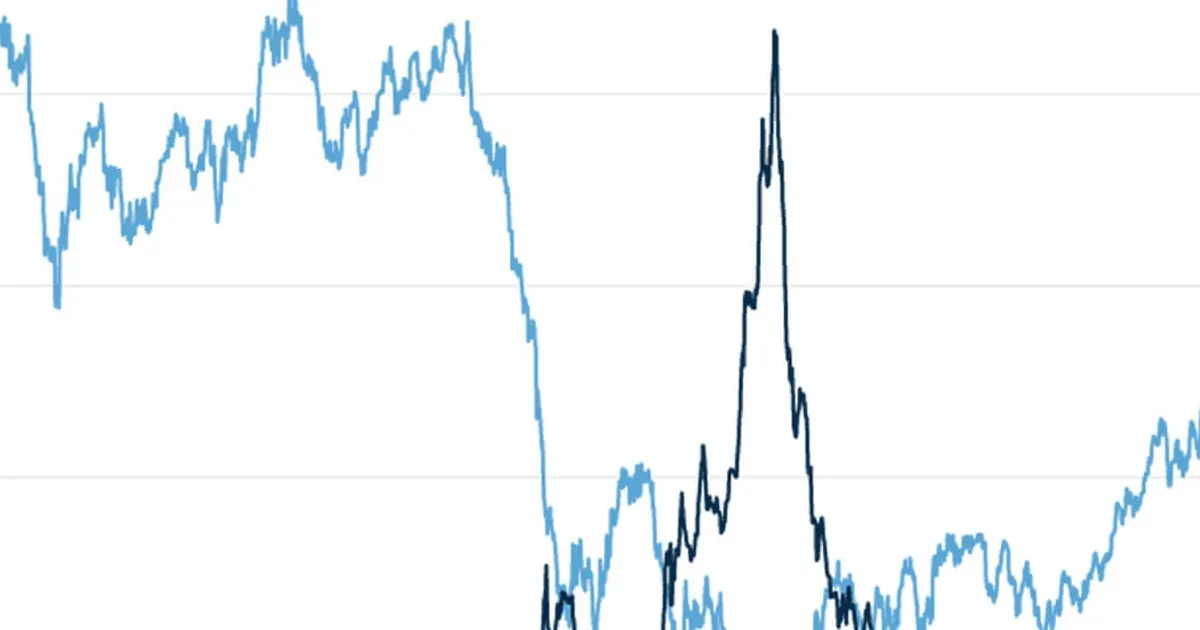
Oil prices fell more than 21% on March 9, 2020, the largest one-day drop since the Gulf War, after Russia refused OPEC supply cuts and Saudi Arabia announced a large output increase. The resulting price war hurt US shale producers, and high-yield credit spreads widened toward 2016 levels.
The price war removes the OPEC floor under crude and threatens US shale output, which lowers energy costs for feed buyers but raises financial stress across energy-linked sectors.
 commonfund.orgAuthor Commonfund Posts16 มี.ค. 2563
หลัง 255 เหตุการณ์ภูมิรัฐศาสตร์ที่ขาลงในอดีต น้ำมันดิบ (WTI) เคลื่อนไหวเฉลี่ย -2.4% ใน 5 วันทำการ (31% สูงขึ้น; ช่วงกลาง -7.0% ถึง +1.7%) และ -5.0% ใน 20 วัน.
หลัง 250 เหตุการณ์ภูมิรัฐศาสตร์ที่ขาลงในอดีต น้ำมันดิบ (Brent) เคลื่อนไหวเฉลี่ย -3.1% ใน 5 วันทำการ (36% สูงขึ้น; ช่วงกลาง -7.9% ถึง +1.6%) และ -5.5% ใน 20 วัน.
การเคลื่อนไหวของราคาอ้างอิงของแต่ละสินค้านับจากการปิดตลาดครั้งสุดท้ายก่อนเหตุการณ์ ข้อมูลย้อนหลังรวมเหตุการณ์ชนิดเดียวกันในอดีต ซึ่งบอกสิ่งที่เกิดขึ้น ไม่ได้บอกสิ่งที่จะเกิด ไม่ใช่คำแนะนำการลงทุน
Describes the March 9 price-war crash that set up the lower starting level for the later slide.
