กำลังโหลด…
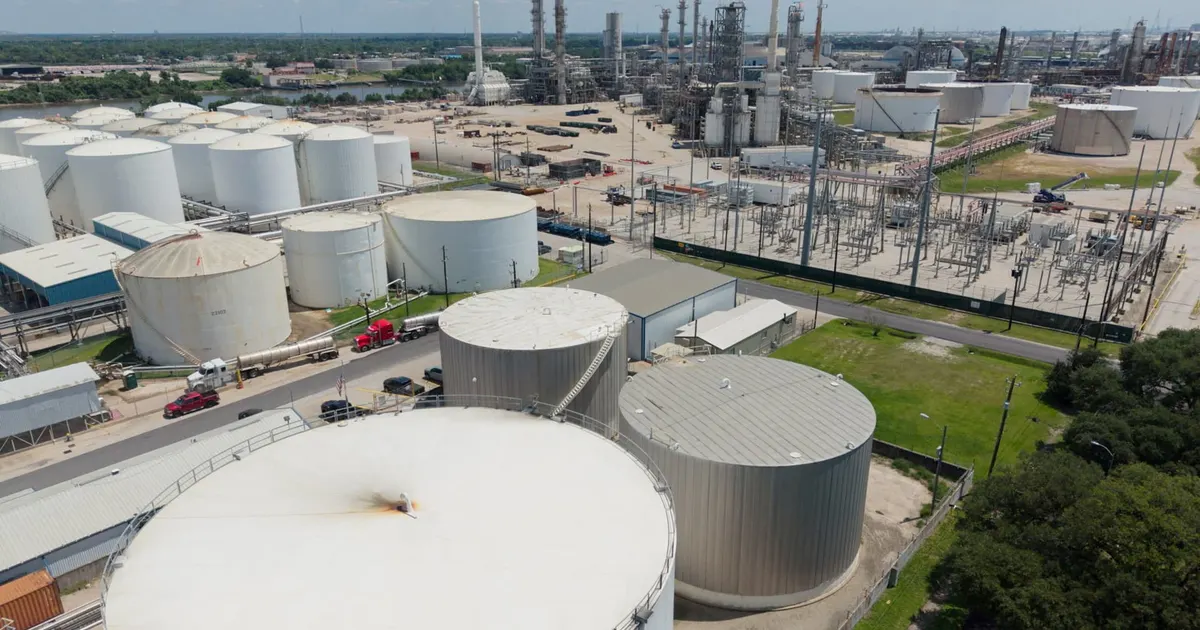
Brent fell just over 19% in May, its worst monthly performance since March 2020, while WTI dropped nearly 17%. Traders bet on a US-Iran agreement that would reopen the Strait of Hormuz.
President Trump laid out demands that Iran has previously rejected, including no nuclear weapon and removal of mines and tolls.
The monthly decline reflects expectations that Hormuz flows will resume, which lowers energy costs across feed supply chains. Uncertainty over the deal leaves room for a sharp rebound if talks fail.
 cnbc.comSpencer Kimball29 พ.ค. 2569
หลัง 255 เหตุการณ์ภูมิรัฐศาสตร์ที่ขาลงในอดีต น้ำมันดิบ (WTI) เคลื่อนไหวเฉลี่ย -2.4% ใน 5 วันทำการ (31% สูงขึ้น; ช่วงกลาง -7.0% ถึง +1.7%) และ -5.0% ใน 20 วัน.
หลัง 250 เหตุการณ์ภูมิรัฐศาสตร์ที่ขาลงในอดีต น้ำมันดิบ (Brent) เคลื่อนไหวเฉลี่ย -3.1% ใน 5 วันทำการ (36% สูงขึ้น; ช่วงกลาง -7.9% ถึง +1.6%) และ -5.5% ใน 20 วัน.
การเคลื่อนไหวของราคาอ้างอิงของแต่ละสินค้านับจากการปิดตลาดครั้งสุดท้ายก่อนเหตุการณ์ ข้อมูลย้อนหลังรวมเหตุการณ์ชนิดเดียวกันในอดีต ซึ่งบอกสิ่งที่เกิดขึ้น ไม่ได้บอกสิ่งที่จะเกิด ไม่ใช่คำแนะนำการลงทุน
