กำลังโหลด…
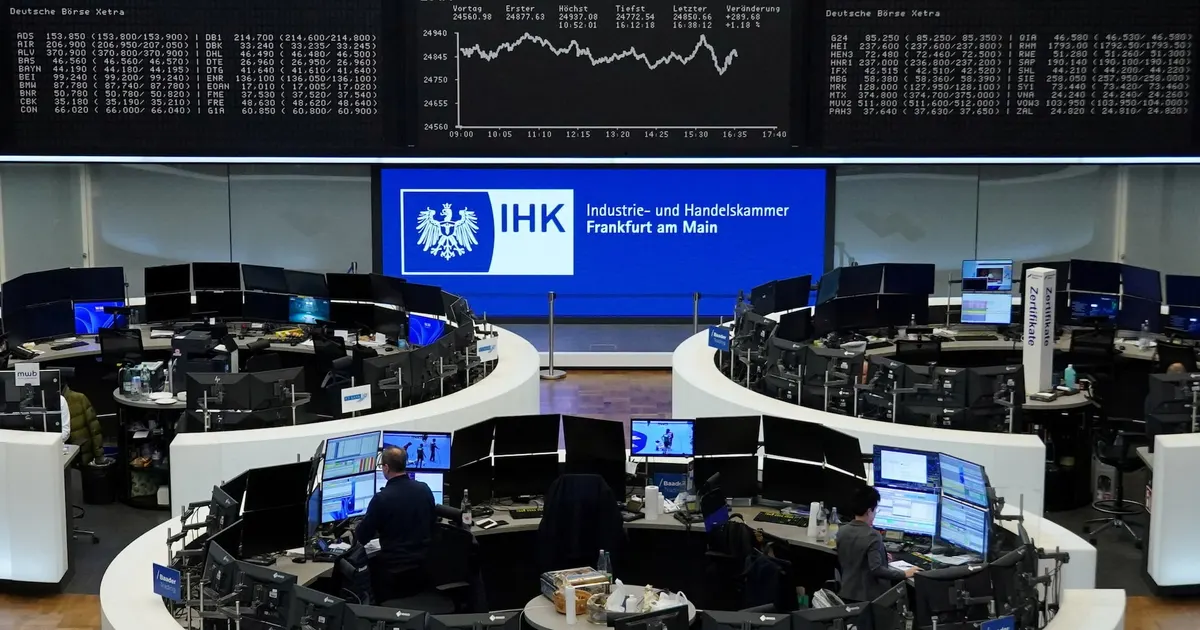
The euro fell 0.3% to $1.1656 on Tuesday, its lowest since January, and sterling touched its weakest level against the dollar since December. Gilt yields rose on concerns that higher oil prices will feed into inflation.
JPMorgan said Brent at $100-$120 could push the euro to $1.10-$1.13 if the conflict lasts more than three weeks.
A sustained oil spike would raise European energy and inflation pressures, weakening the euro and sterling and tightening financial conditions. Higher Brent also raises diesel and freight costs for feed supply chains.
 reuters.comAlun John2 มี.ค. 2569
หลัง 656 เหตุการณ์ภูมิรัฐศาสตร์ที่ขาขึ้นในอดีต น้ำมันดิบ (Brent) เคลื่อนไหวเฉลี่ย +1.9% ใน 5 วันทำการ (63% สูงขึ้น; ช่วงกลาง -2.7% ถึง +6.6%) และ +0.7% ใน 20 วัน.
หลัง 36 เหตุการณ์ภูมิรัฐศาสตร์ที่ขาลงในอดีต ยูโร (USD ต่อ EUR) เคลื่อนไหวเฉลี่ย -1.0% ใน 5 วันทำการ (22% สูงขึ้น; ช่วงกลาง -1.8% ถึง -0.3%) และ -0.7% ใน 20 วัน.
ยังมีเหตุการณ์ในอดีตที่เทียบได้ไม่เพียงพอสำหรับการอ่านข้อมูลย้อนหลัง
หลัง 89 เหตุการณ์ภูมิรัฐศาสตร์ที่ขาขึ้นในอดีต ดอลลาร์สหรัฐ (ดัชนีกว้าง) เคลื่อนไหวเฉลี่ย +0.5% ใน 5 วันทำการ (74% สูงขึ้น; ช่วงกลาง -0.0% ถึง +1.0%) และ +0.3% ใน 20 วัน.
การเคลื่อนไหวของราคาอ้างอิงของแต่ละสินค้านับจากการปิดตลาดครั้งสุดท้ายก่อนเหตุการณ์ ข้อมูลย้อนหลังรวมเหตุการณ์ชนิดเดียวกันในอดีต ซึ่งบอกสิ่งที่เกิดขึ้น ไม่ได้บอกสิ่งที่จะเกิด ไม่ใช่คำแนะนำการลงทุน
Euro hit its lowest since January on Iran war widening and oil-inflation worries, with JPMorgan flagging further downside if Brent stays elevated; dated 2 March so coincident with the move.
Euro and sterling weakness against the dollar on oil-inflation fears matches the move, though the report is dated slightly after March 2 (Tuesday).
