กำลังโหลด…
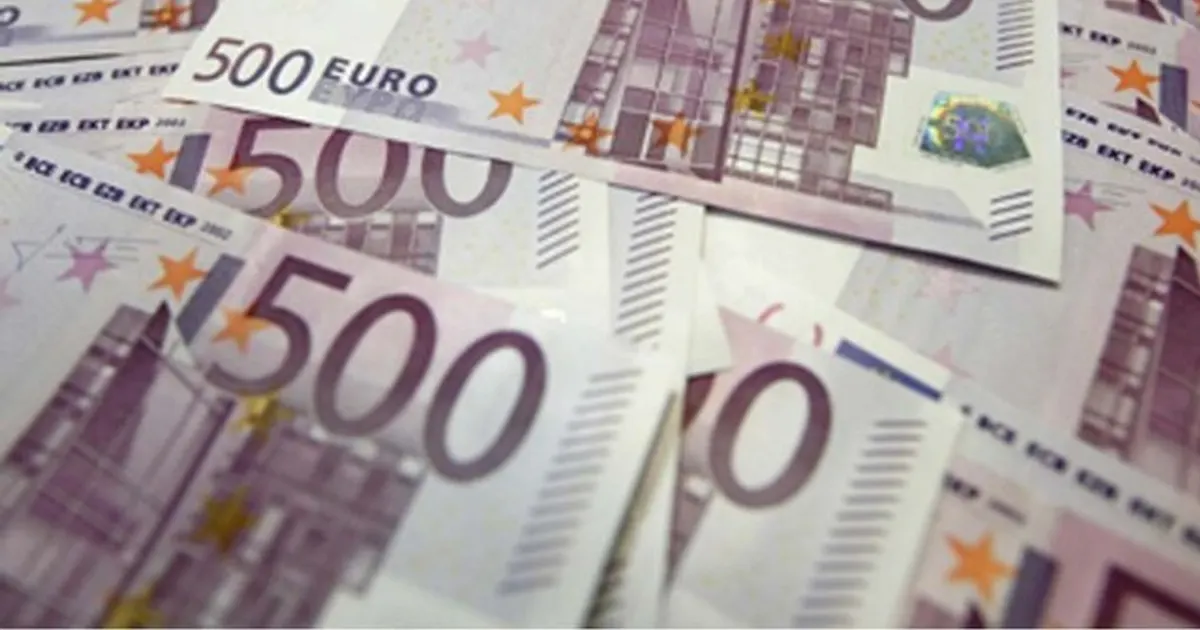
The euro fell to its lowest level since May 2020 after Russia's full-scale invasion of Ukraine, with a touch as low as $1.1106. The rouble hit a record low, and the US responded with sanctions on Russian banks and state-owned enterprises.
Sanctions and the flight to the dollar strengthen the greenback and pressure euro-linked commodity prices. Disruption to Black Sea exports is a supply risk for grain and meal markets.
 brecorder.comReuters25 ก.พ. 2565
หลัง 36 เหตุการณ์ภูมิรัฐศาสตร์ที่ขาลงในอดีต ยูโร (USD ต่อ EUR) เคลื่อนไหวเฉลี่ย -1.0% ใน 5 วันทำการ (22% สูงขึ้น; ช่วงกลาง -1.8% ถึง -0.3%) และ -0.7% ใน 20 วัน.
หลัง 89 เหตุการณ์ภูมิรัฐศาสตร์ที่ขาขึ้นในอดีต ดอลลาร์สหรัฐ (ดัชนีกว้าง) เคลื่อนไหวเฉลี่ย +0.5% ใน 5 วันทำการ (74% สูงขึ้น; ช่วงกลาง -0.0% ถึง +1.0%) และ +0.3% ใน 20 วัน.
หลัง 361 เหตุการณ์ภูมิรัฐศาสตร์ที่ขาขึ้นในอดีต ข้าวสาลี (SRW) เคลื่อนไหวเฉลี่ย +0.7% ใน 5 วันทำการ (58% สูงขึ้น; ช่วงกลาง -1.4% ถึง +3.7%) และ +1.3% ใน 20 วัน.
การเคลื่อนไหวของราคาอ้างอิงของแต่ละสินค้านับจากการปิดตลาดครั้งสุดท้ายก่อนเหตุการณ์ ข้อมูลย้อนหลังรวมเหตุการณ์ชนิดเดียวกันในอดีต ซึ่งบอกสิ่งที่เกิดขึ้น ไม่ได้บอกสิ่งที่จะเกิด ไม่ใช่คำแนะนำการลงทุน
Recaps the euro's drop to $1.1106 after the full-scale invasion and the sanctions response; it is dated a day later but describes the same move.
