กำลังโหลด…
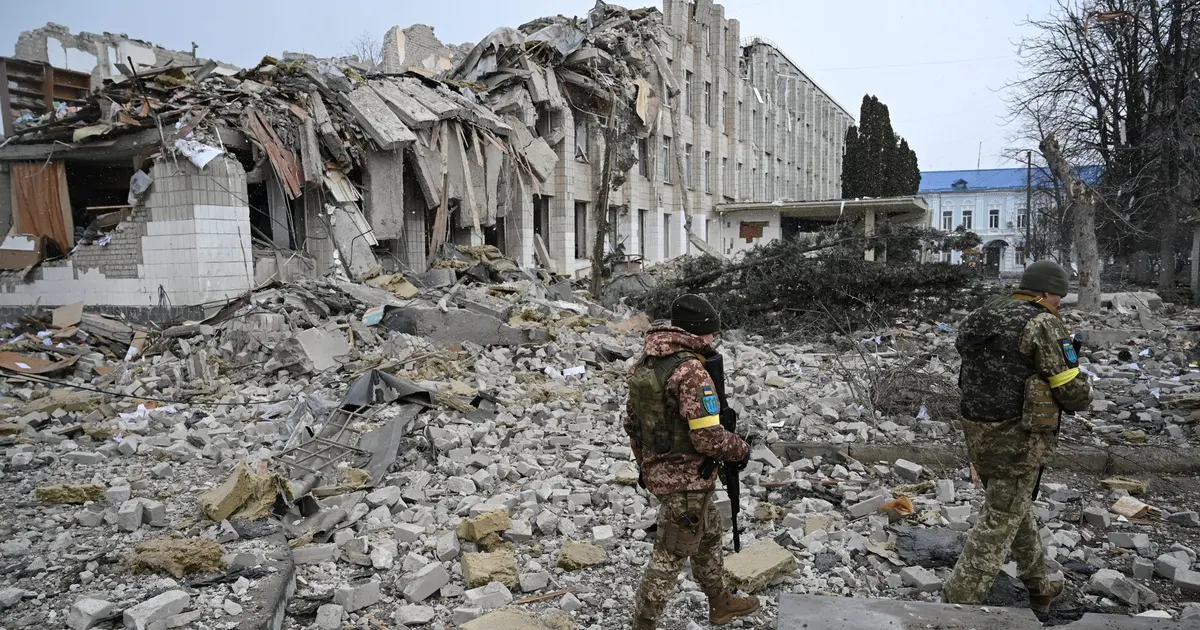
Market liquidity weakened during the week and deteriorated overnight amid Russia-Ukraine turmoil. The dollar index rose nearly 1%, mainly at the expense of the euro, which fell about 3% that week.
The decline was attributed to Europe's exposure to the Russian economy.
Market stress and a stronger dollar create currency-driven swings in dollar-priced feed commodities, with the effect on import costs for European buyers depending on how long the strain lasts.
 reuters.comDhara Ranasinghe5 มี.ค. 2565
หลัง 89 เหตุการณ์ภูมิรัฐศาสตร์ที่ขาขึ้นในอดีต ดอลลาร์สหรัฐ (ดัชนีกว้าง) เคลื่อนไหวเฉลี่ย +0.5% ใน 5 วันทำการ (74% สูงขึ้น; ช่วงกลาง -0.0% ถึง +1.0%) และ +0.3% ใน 20 วัน.
หลัง 36 เหตุการณ์ภูมิรัฐศาสตร์ที่ขาลงในอดีต ยูโร (USD ต่อ EUR) เคลื่อนไหวเฉลี่ย -1.0% ใน 5 วันทำการ (22% สูงขึ้น; ช่วงกลาง -1.8% ถึง -0.3%) และ -0.7% ใน 20 วัน.
การเคลื่อนไหวของราคาอ้างอิงของแต่ละสินค้านับจากการปิดตลาดครั้งสุดท้ายก่อนเหตุการณ์ ข้อมูลย้อนหลังรวมเหตุการณ์ชนิดเดียวกันในอดีต ซึ่งบอกสิ่งที่เกิดขึ้น ไม่ได้บอกสิ่งที่จะเกิด ไม่ใช่คำแนะนำการลงทุน
Euro fell about 3% that week as dollar demand rose and Europe's exposure to Russia was priced in, matching the size of the move.
Weekly dollar gain of nearly 1% against a euro down about 3% on Europe's exposure to Russia, and weakened market liquidity, reflects the stress-driven dollar bid.
