กำลังโหลด…
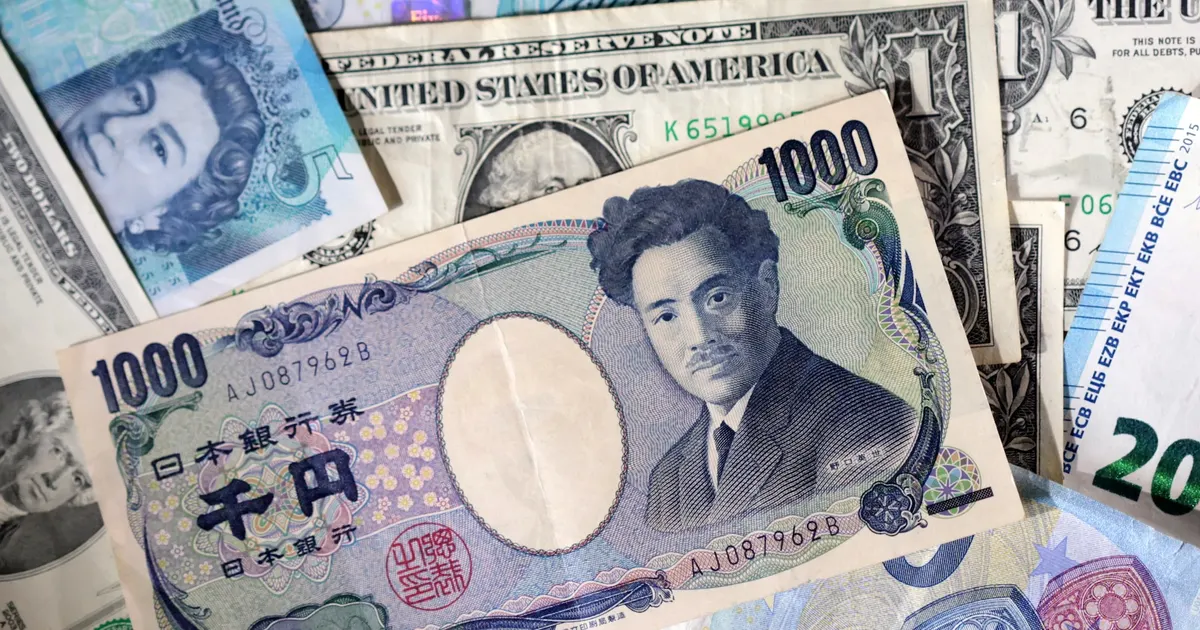
The euro and yen fell on Monday as higher oil prices weighed on currencies of countries most exposed to energy shortages. The dollar gained from a safe-haven bid tied to conflict in the Middle East.
Energy importers' currencies weaken when oil rises, which raises import costs for feed-importing economies and can shift feed purchasing power. A firmer dollar also makes dollar-priced commodities more expensive for buyers outside the US.
 reuters.comKaren Brettell1 มี.ค. 2569
หลัง 656 เหตุการณ์ภูมิรัฐศาสตร์ที่ขาขึ้นในอดีต น้ำมันดิบ (Brent) เคลื่อนไหวเฉลี่ย +1.9% ใน 5 วันทำการ (63% สูงขึ้น; ช่วงกลาง -2.7% ถึง +6.6%) และ +0.7% ใน 20 วัน.
หลัง 36 เหตุการณ์ภูมิรัฐศาสตร์ที่ขาลงในอดีต ยูโร (USD ต่อ EUR) เคลื่อนไหวเฉลี่ย -1.0% ใน 5 วันทำการ (22% สูงขึ้น; ช่วงกลาง -1.8% ถึง -0.3%) และ -0.7% ใน 20 วัน.
หลัง 89 เหตุการณ์ภูมิรัฐศาสตร์ที่ขาขึ้นในอดีต ดอลลาร์สหรัฐ (ดัชนีกว้าง) เคลื่อนไหวเฉลี่ย +0.5% ใน 5 วันทำการ (74% สูงขึ้น; ช่วงกลาง -0.0% ถึง +1.0%) และ +0.3% ใน 20 วัน.
การเคลื่อนไหวของราคาอ้างอิงของแต่ละสินค้านับจากการปิดตลาดครั้งสุดท้ายก่อนเหตุการณ์ ข้อมูลย้อนหลังรวมเหตุการณ์ชนิดเดียวกันในอดีต ซึ่งบอกสิ่งที่เกิดขึ้น ไม่ได้บอกสิ่งที่จะเกิด ไม่ใช่คำแนะนำการลงทุน
Euro fell as higher oil prices from Middle East escalation hit energy-importing currencies while the dollar gained safe-haven demand, directly matching the 1-day move.
The euro and yen fell against the dollar on higher oil prices and a safe-haven bid, which are major components of the broad dollar index move.
