불러오는 중…
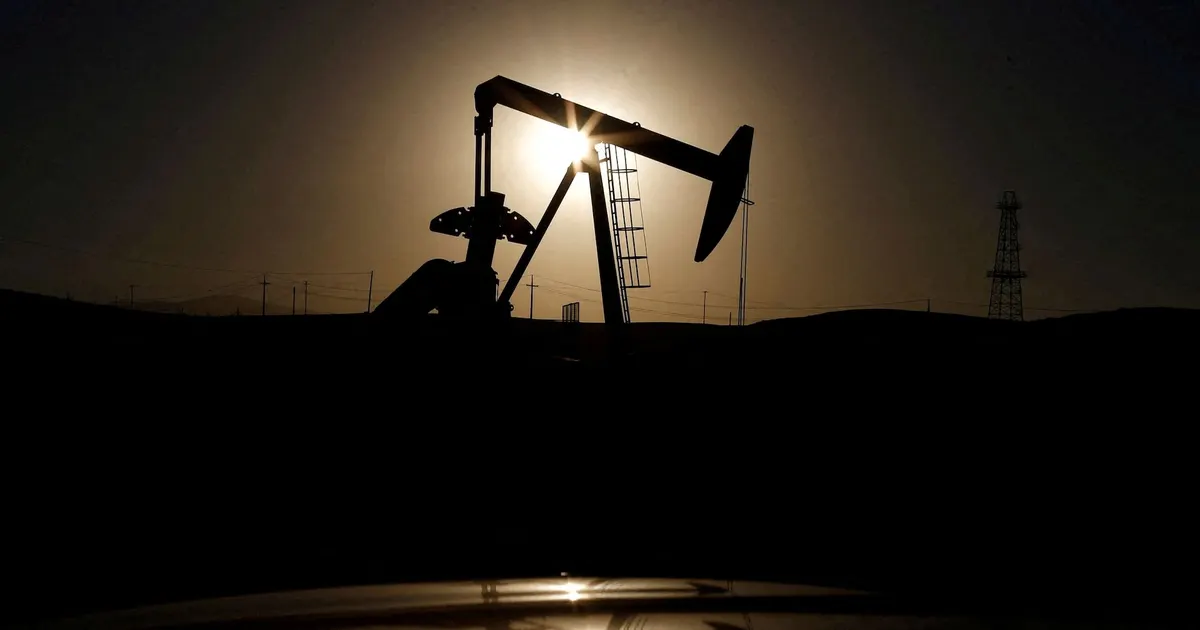
Oil prices spiked and then crashed in March 2022, driven by medium-term fundamentals, strain from disruption to Russian oil exports, and thin market liquidity. The short-term trigger for the sell-off was improved prospects for a truce between Russia and Ukraine.
Extreme crude volatility transmits directly into diesel and energy costs for feed mills and farms, and a Russia-Ukraine truce would ease supply fears that had supported grain and oilseed prices.
 reuters.comJohn Kemp2022. 3. 17.
과거 하락 지정학 이벤트 255건 이후, 원유 (WTI)은 5거래일 동안 중앙값 -2.4% 변동(상승 31%; 중간 50% 범위 -7.0%~+1.7%), 20거래일 동안 -5.0%.
과거 하락 지정학 이벤트 250건 이후, 원유 (Brent)은 5거래일 동안 중앙값 -3.1% 변동(상승 36%; 중간 50% 범위 -7.9%~+1.6%), 20거래일 동안 -5.5%.
과거 하락 지정학 이벤트 51건 이후, ULSD / 디젤은 5거래일 동안 중앙값 -2.4% 변동(상승 37%; 중간 50% 범위 -8.2%~+3.9%), 20거래일 동안 -2.3%.
각 품목 벤치마크의 이벤트 직전 종가 대비 변동. 과거 수치는 같은 유형의 과거 이벤트를 합산한 것으로, 일어난 일을 설명할 뿐 앞으로 일어날 일이 아닙니다. 투자 자문이 아닙니다.
The sell-off was triggered by improved truce prospects and aggravated by thin liquidity, explaining the sharp collapse.
Explains the crash as unwinding of a spike on thin liquidity, with improved truce prospects as the trigger.
The sell-off was attributed to improved truce prospects and thin liquidity, which amplified the downward move.
The mid-March sell-off on truce hopes created the depressed starting level, so the following rebound was large in percentage terms.
