読み込み中…
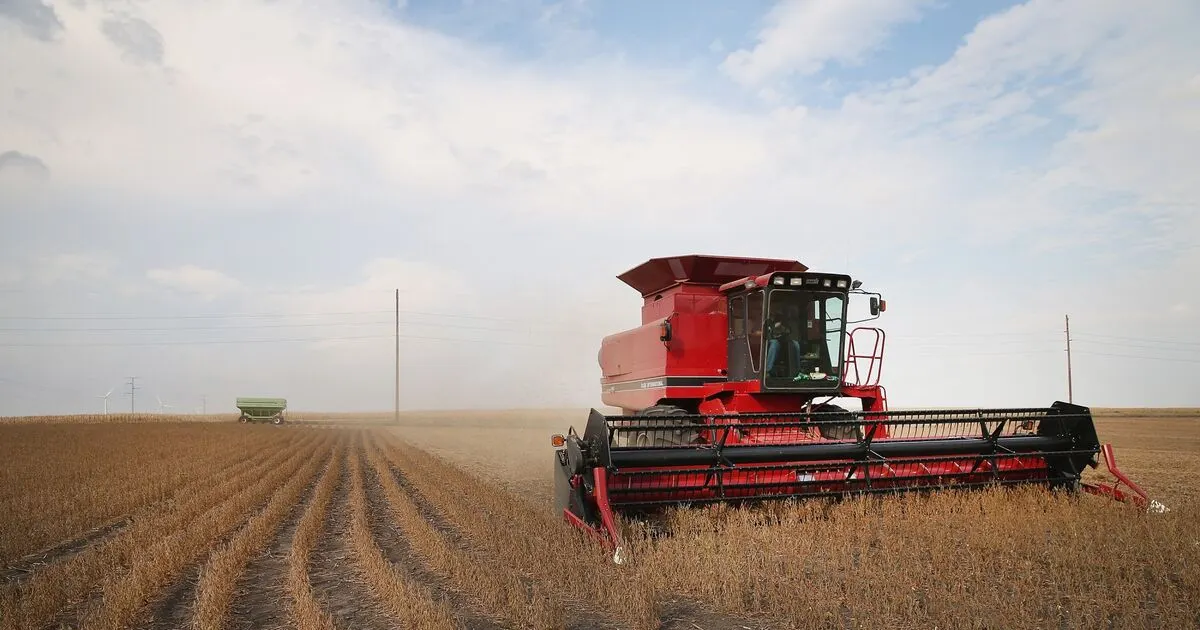
Imports of used cooking oil and other feedstocks for biofuel production in the US have surged. Soybean processors are facing eroded margins as demand weakens, prompting them to slow crush operations and jeopardizing expansion plans.
Slower soybean crushing reduces output of both soybean oil and meal, which tightens meal supply and supports meal prices while pressuring soybean and oil prices as demand shifts to imported feedstocks.
 bloomberg.comTarso Veloso2024/04/26
過去の弱気な貿易イベント803件の後、大豆 は5営業日で中央値 +0.0% 動き(51% が上昇。中央50%は -1.7% から +1.7%)、20営業日では +0.9% 動きました。
過去の弱気な貿易イベント152件の後、大豆油 は5営業日で中央値 -0.2% 動き(47% が上昇。中央50%は -2.1% から +2.1%)、20営業日では -0.1% 動きました。
過去の強気な貿易イベント342件の後、大豆粕 は5営業日で中央値 +0.1% 動き(51% が上昇。中央50%は -1.1% から +2.6%)、20営業日では +0.6% 動きました。
イベント直前の終値からの各商品ベンチマークの動き。過去の傾向は同種の過去イベントをまとめたものであり、起きたことを示すもので、今後を示すものではありません。投資助言ではありません。
Surging imports of used cooking oil and other green diesel feedstocks displace soyoil in US biofuel demand and erode crush margins, a bearish demand factor.
