Memuat…
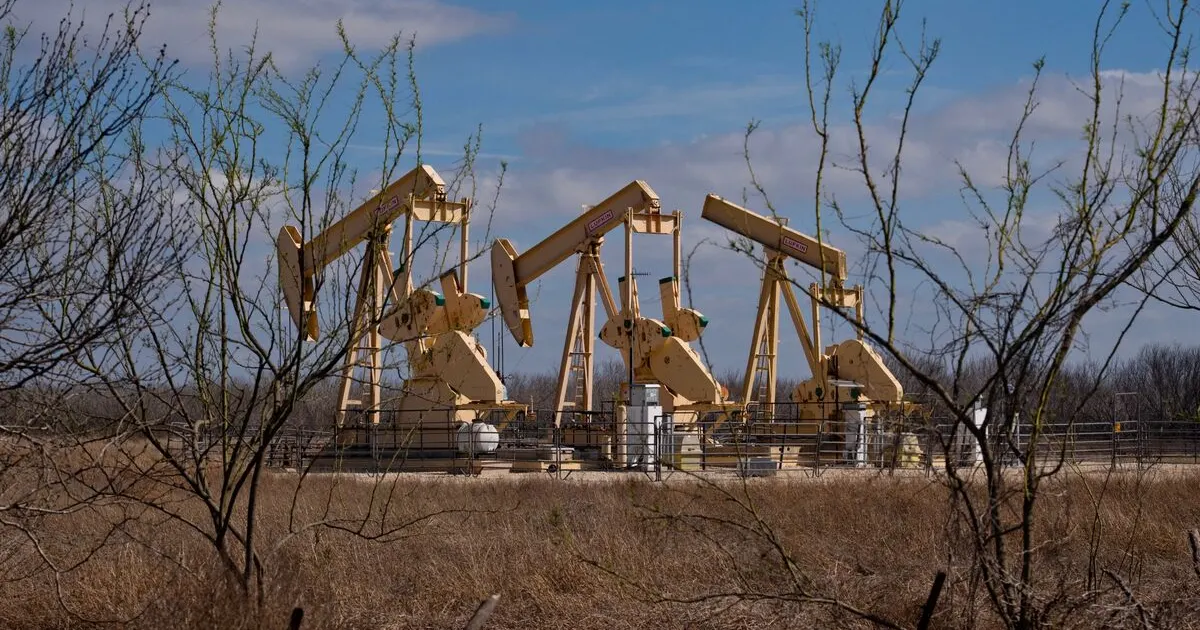
Brent crude jumped as much as 13% to above $82 a barrel at the Monday open after US and Israeli attacks on Iran escalated over the weekend. Oil markets are bracing for prolonged volatility and sustained disruption in the Strait of Hormuz.
Disruption risk in Hormuz threatens a large share of global oil and LNG flows, pushing up energy costs for feed production and transport and supporting vegetable oil and biofuel-linked prices.
 bloomberg.comRong Wei Neo2 Mar 2026
Setelah 656 peristiwa geopolitik bullish sebelumnya, Minyak Mentah (Brent) bergerak median +1,9% selama 5 sesi (63% lebih tinggi; separuh tengah -2,7% sampai +6,6%), dan +0,7% selama 20 sesi.
Setelah 626 peristiwa geopolitik bullish sebelumnya, Minyak Mentah (WTI) bergerak median +2,1% selama 5 sesi (62% lebih tinggi; separuh tengah -2,3% sampai +8,5%), dan +1,6% selama 20 sesi.
Setelah 250 peristiwa geopolitik bullish sebelumnya, ULSD / Solar bergerak median +1,7% selama 5 sesi (58% lebih tinggi; separuh tengah -3,6% sampai +8,7%), dan +0,9% selama 20 sesi.
Setelah 136 peristiwa geopolitik bullish sebelumnya, Gas Alam bergerak median +2,7% selama 5 sesi (63% lebih tinggi; separuh tengah -1,8% sampai +8,8%), dan +4,0% selama 20 sesi.
Pergerakan benchmark setiap komoditas dari penutupan terakhir sebelum peristiwa. Pembacaan historis menggabungkan peristiwa serupa di masa lalu; itu menggambarkan apa yang terjadi, bukan apa yang akan terjadi. Bukan nasihat investasi.
Brent jumped as much as 13% at the Monday open on the weekend escalation and Hormuz disruption fears, driving the 1-day move.
Brent jumped as much as 13% on March 2 on Hormuz disruption fears, lifting vegetable oils through energy-linked biodiesel demand and sentiment.
The Brent spike of up to 13% on 2026-03-02 from Hormuz disruption set the crude rally that lifts palm oil via biofuel substitution, though it came several days before the 2026-03-06 move and likely was partly priced in.
