Loading…
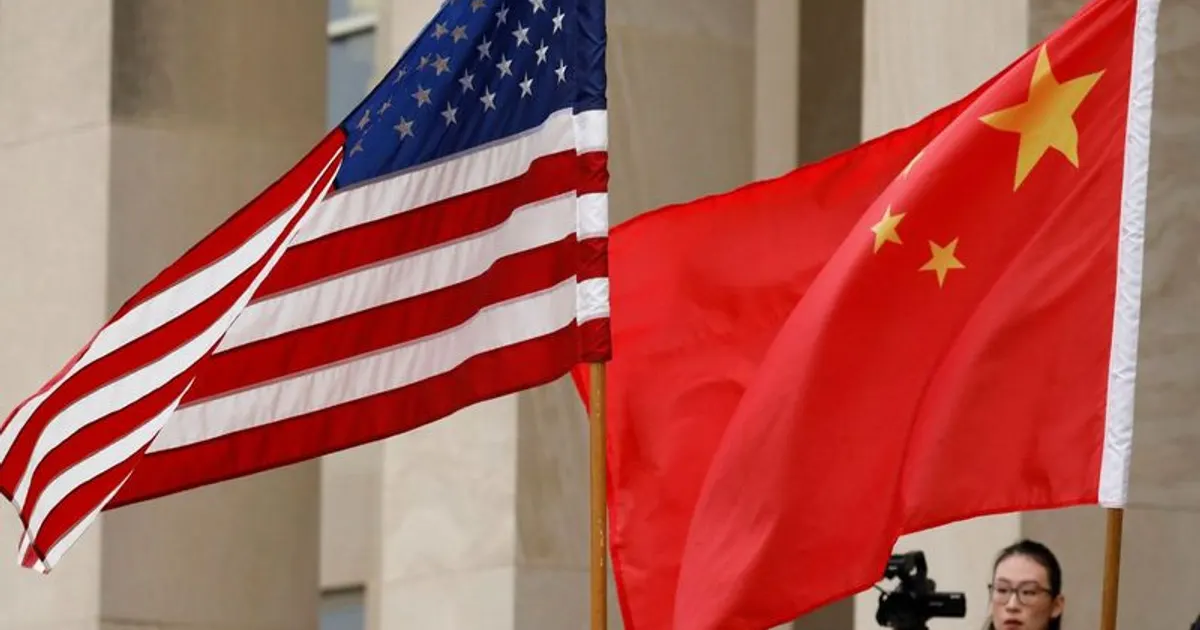
An S&P Global report says the 2026 US midterm election results could change the negotiating environment and potentially encourage China to reduce tariffs on US farm goods. US soybean exports to China fell 44.9% year over year to 12.4 million metric tons in the 2025–26 marketing year, and possible tariff reductions discussed by the two governments remain unfinalized.
Lower Chinese tariffs could improve the competitiveness of US agricultural exports and lift demand, particularly for soybeans; the effect remains contingent on negotiations and policy changes.
 tribuneindia.comANINov 10, 2026
After 696 past bullish trade events, Soybeans moved a median +0.3% over 5 sessions (54% higher; middle half -1.3% to +1.9%), and +0.7% over 20.
After 729 past bullish trade events, Corn moved a median +0.4% over 5 sessions (56% higher; middle half -1.1% to +1.8%), and +0.5% over 20.
After 342 past bullish trade events, Soybean Meal moved a median +0.1% over 5 sessions (51% higher; middle half -1.1% to +2.6%), and +0.6% over 20.
Moves of each commodity's benchmark from the last close before the event. Historical reads pool past events of the same kind; they describe what happened, not what will. Not investment advice.
