Loading…
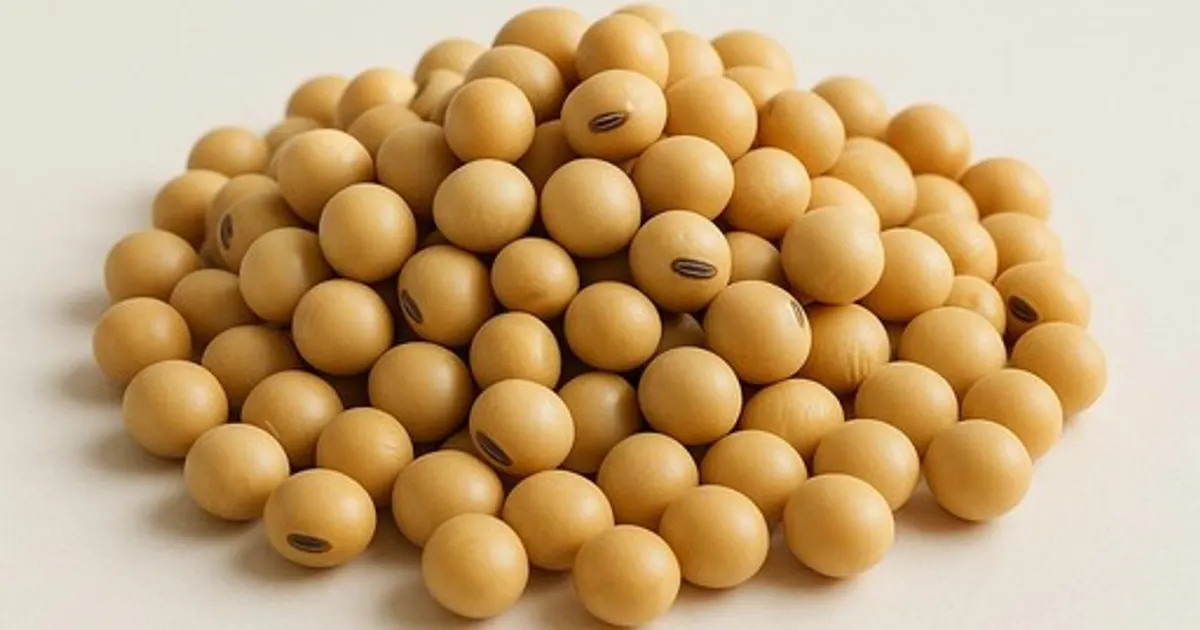
China continues to apply a 3% tariff to Brazilian soybeans, compared with a 13% tariff on U.S. soybeans. The 10-percentage-point gap supports Brazil’s competitiveness in supplying China despite improving U.S.-China relations.
The tariff advantage makes Brazilian soybeans relatively more attractive to Chinese buyers, supporting Brazil’s export demand while limiting the competitiveness of U.S. supplies. This is supportive for Brazilian soybean prices relative to U.S. beans.
 insights.tridge.comNov 8, 2026
After 696 past bullish trade events, Soybeans moved a median +0.3% over 5 sessions (54% higher; middle half -1.3% to +1.9%), and +0.7% over 20.
Moves of each commodity's benchmark from the last close before the event. Historical reads pool past events of the same kind; they describe what happened, not what will. Not investment advice.
