Loading…
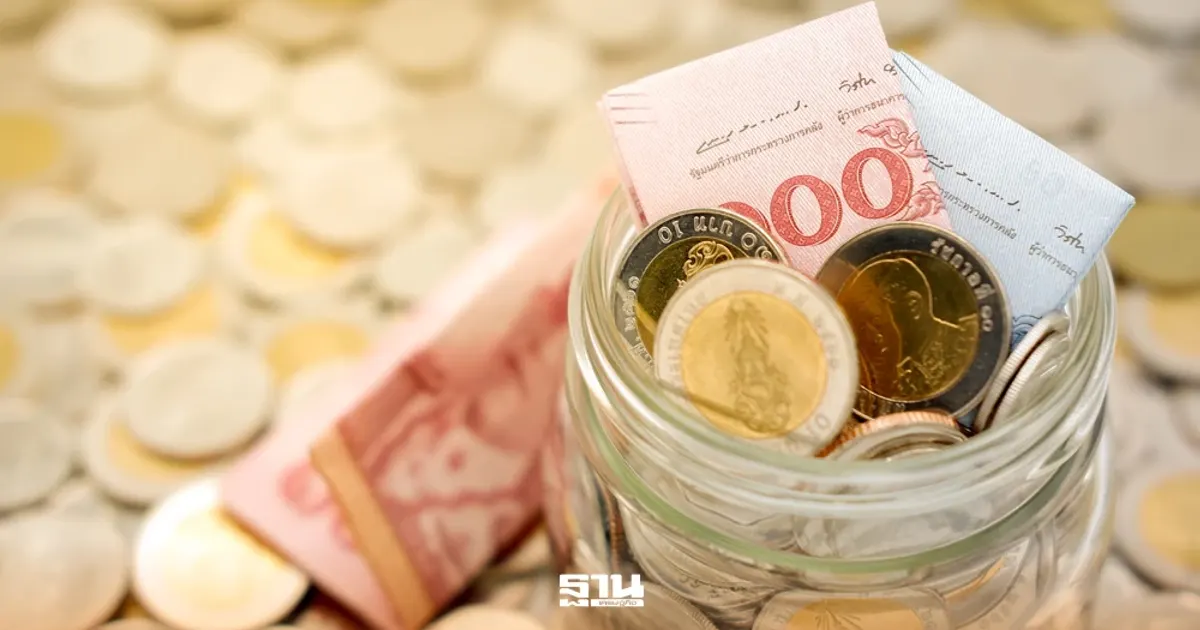
The Thai baht closed at 33.64 per US dollar on November 4, its strongest level in a week, after touching 33.62 intraday. Dollar selling followed Democratic wins in the US midterm elections, which markets expect to constrain Trump's tax-cut and spending agenda.
Gold gains and foreign inflows into Thai bonds also supported the baht.
A stronger baht against the dollar lowers the local-currency cost of imported feed ingredients such as soybean meal and corn priced in USD, easing margins for Thai feed buyers. The move is driven by currency and political flows rather than agricultural supply.
 thansettakij.comวิชชุดา จิตจันทร์Nov 4, 2026
Not enough comparable past events yet for a historical read.
After 1,637 past bearish macro events, US Dollar (Broad) moved a median -0.2% over 5 sessions (39% higher; middle half -0.6% to +0.3%), and -0.2% over 20.
Moves of each commodity's benchmark from the last close before the event. Historical reads pool past events of the same kind; they describe what happened, not what will. Not investment advice.
