Loading…
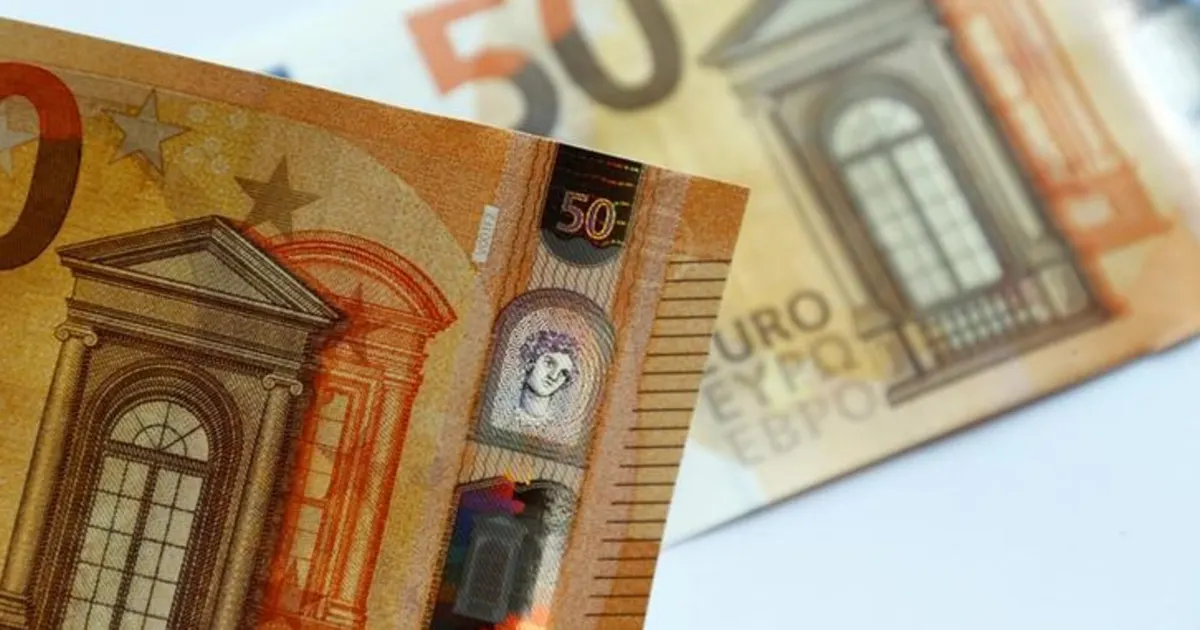
The euro has weakened largely because of diverging monetary policy between the U.S. Federal Reserve, which is raising rates, and the ECB, which is injecting hundreds of billions of euros through quantitative easing. The ECB's ultra-loose policy aims to ward off deflation, shore up banks and reflate the economy.
The weaker currency benefits euro zone exporters.
A weaker euro against the dollar makes euro zone exports more competitive and tends to lower dollar-denominated prices for imported goods, which can weigh on dollar-based feed commodity demand from Europe. Continued dollar strength would pressure U.S. commodity prices in dollar terms.
 reuters.comJamie McGeeverFeb 3, 2017
After 533 past bearish macro events, EURUSD moved a median -0.3% over 5 sessions (33% higher; middle half -1.2% to +0.2%), and -0.5% over 20.
After 2,356 past bullish macro events, DXY moved a median +0.2% over 5 sessions (60% higher; middle half -0.3% to +0.7%), and +0.4% over 20.
Moves of each commodity's benchmark from the last close before the event. Historical reads pool past events of the same kind; they describe what happened, not what will. Not investment advice.
