Loading…
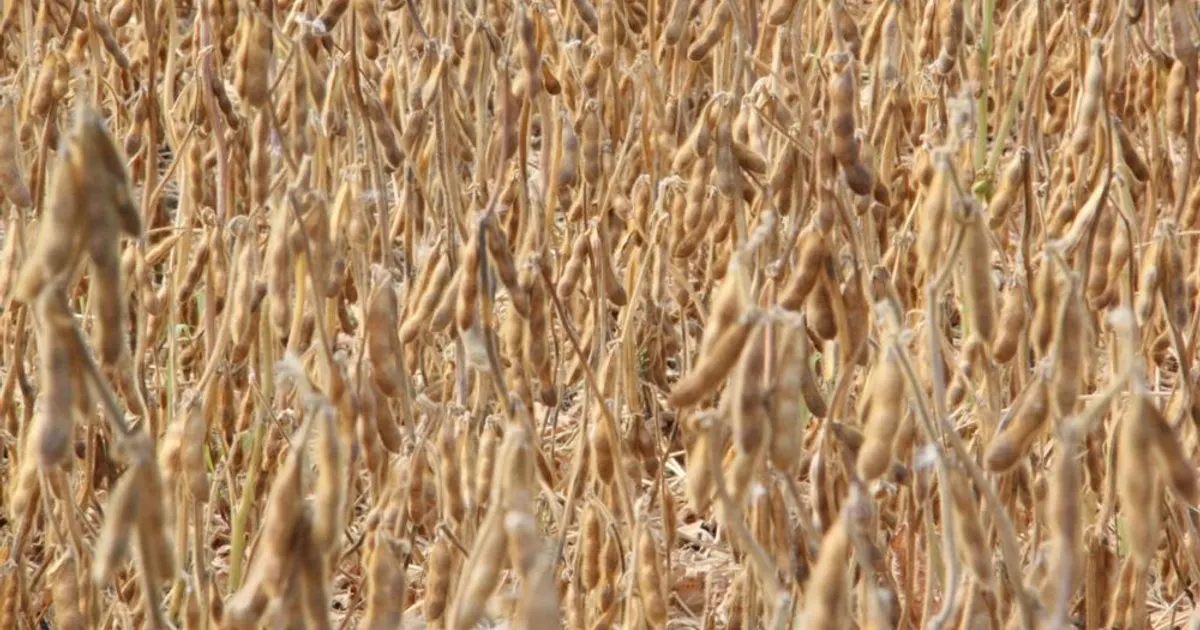
U.S. grain and soybean futures hit one-week highs on July 18 as markets stabilized after falling to 10-year lows. Chinese buyers shifted to Brazilian beans due to a 25 percent tariff on U.S. soy, pushing Brazilian premiums higher, while U.S. Gulf beans were priced at a 25 percent discount to Brazil.
November soybeans ended at $8.57 3/4.
The discount on U.S. Gulf beans offsets the Chinese tariff for buyers and gives the market a floor, though Chinese demand remains the key driver of prices.
 agcanada.comAGCanadaJul 19, 2018
After 696 past bullish trade events, Soybeans moved a median +0.3% over 5 sessions (54% higher; middle half -1.3% to +1.9%), and +0.7% over 20.
After 431 past bullish trade events, Wheat (SRW) moved a median +0.0% over 5 sessions (50% higher; middle half -1.3% to +2.1%), and +0.5% over 20.
After 729 past bullish trade events, Corn moved a median +0.4% over 5 sessions (56% higher; middle half -1.1% to +1.8%), and +0.5% over 20.
Moves of each commodity's benchmark from the last close before the event. Historical reads pool past events of the same kind; they describe what happened, not what will. Not investment advice.
Grain futures bounced to one-week highs on 18 July from 10-year lows on export hopes and weather worries, matching the rebound from oversold levels.
