Loading…
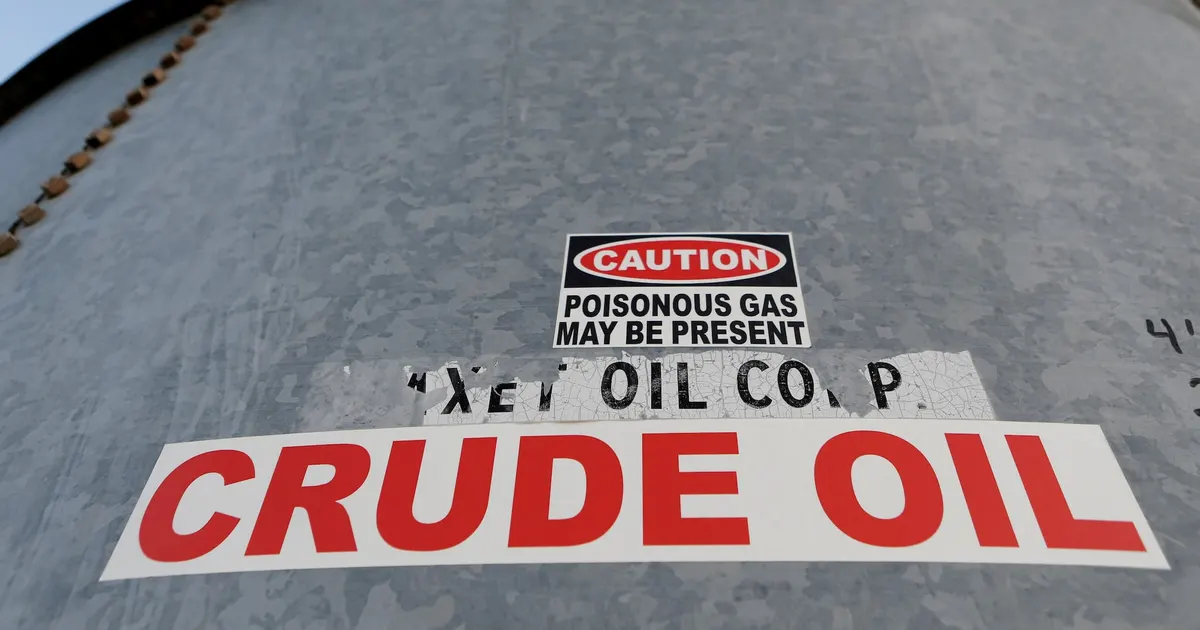
Oil fell about $5 a barrel on Monday, its worst day since March, after OPEC+ agreed to boost output. Rising COVID-19 infections driven by the Delta variant raised concerns about demand.
Expected supply increases combined with demand fears push crude lower, and the energy selloff weighs on feed-linked costs such as biofuel-related soybean oil and diesel.
 reuters.comLaila KearneyJul 19, 2021
After 215 past bearish policy events, Crude Oil (WTI) moved a median +0.1% over 5 sessions (51% higher; middle half -4.4% to +3.3%), and +0.2% over 20.
After 210 past bearish policy events, Crude Oil (Brent) moved a median -0.9% over 5 sessions (48% higher; middle half -3.8% to +3.2%), and +0.2% over 20.
Moves of each commodity's benchmark from the last close before the event. Historical reads pool past events of the same kind; they describe what happened, not what will. Not investment advice.
Reports Brent/oil fell about $5 on July 19, its worst day since March, as the OPEC+ deal to boost output (supply) combined with Delta-driven demand fears.
Oil fell about $5 on its worst day since March as the OPEC+ output increase combined with Delta demand worries.
Brent fell about $5 on Monday July 19, its worst day since March, after the OPEC+ output increase deal and Delta demand fears, which matches the measured drop.
