Loading…
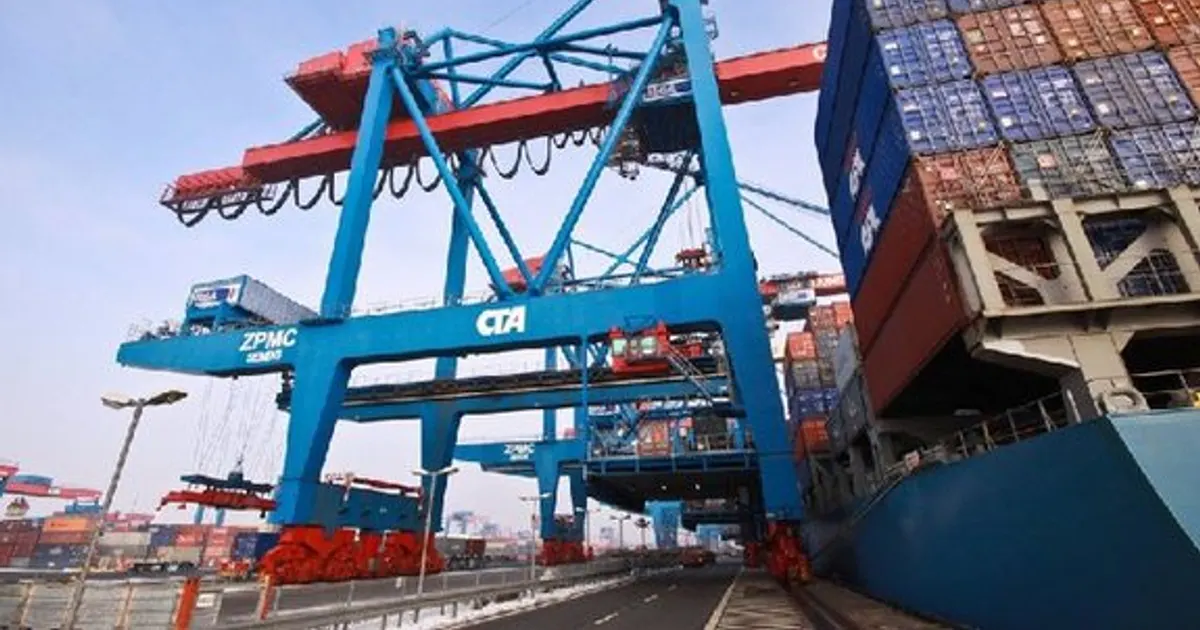
China announced 2019 tariff changes that remove import duties on alternative meals, including rapeseed, cotton, sunflower and palm meal, from January 1, 2019. The same notice removes export tariffs on 94 products, including fertilizers.
The move is intended to boost foreign trade as growth slows amid the trade war with the US.
Cheaper imports of alternative meals increase competition for soymeal in China's feed market, which is bearish for soymeal and the alternative meals. Removing fertilizer export tariffs may increase Chinese urea and phosphate exports, adding supply.
 profit.pakistantoday.com.pkAgenciesDec 24, 2018
After 223 past bearish policy events, Soybean Meal moved a median -0.3% over 5 sessions (45% higher; middle half -2.2% to +1.2%), and -0.6% over 20.
Not enough comparable past events yet for a historical read.
Not enough comparable past events yet for a historical read.
Not enough comparable past events yet for a historical read.
Moves of each commodity's benchmark from the last close before the event. Historical reads pool past events of the same kind; they describe what happened, not what will. Not investment advice.
