Loading…
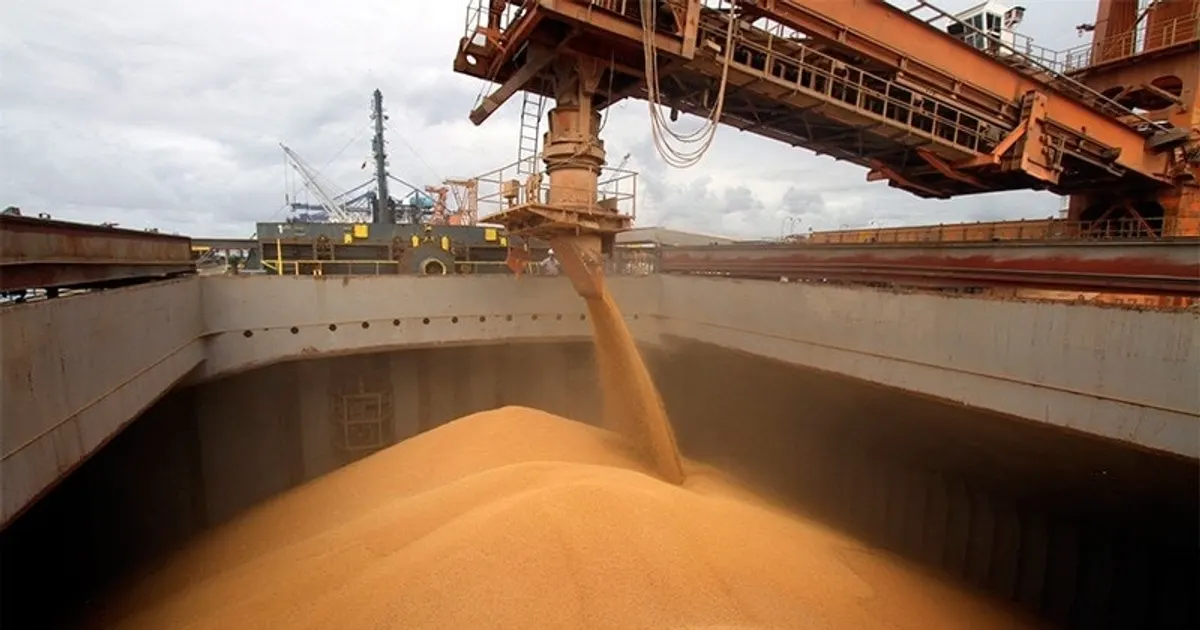
Argentina's grain receivers union Urgara announced a port work stoppage from March 19 to March 25, arguing grain classification is not essential under the COVID-19 isolation decree. Business chambers warned the strike could jeopardize loading of 18 ships carrying about 2.2 million tonnes of grain, and a mandatory conciliation by the Labor Ministry was expected.
Disrupted port loadings delay Argentine soybean, meal and corn export flows, tightening nearby supplies and supporting meal and oil prices while shipments are held up.
 aduananews.comAduanaNewsMar 21, 2020
After 167 past bullish logistics events, Soybean Meal moved a median +0.5% over 5 sessions (54% higher; middle half -1.8% to +2.9%), and -1.2% over 20.
After 206 past bullish logistics events, Soybeans moved a median +0.5% over 5 sessions (56% higher; middle half -1.3% to +2.6%), and +1.4% over 20.
After 285 past bullish logistics events, Corn moved a median +0.1% over 5 sessions (52% higher; middle half -1.5% to +1.5%), and +0.8% over 20.
Moves of each commodity's benchmark from the last close before the event. Historical reads pool past events of the same kind; they describe what happened, not what will. Not investment advice.
Argentine port grain receivers' strike (Mar 19-25) put loading of 18 ships and 2.2 Mt at risk, tightening soymeal export supply.
The Argentine port strike threatened loading of 18 ships carrying about 2.2 million tonnes of grain, which would cut the supply reaching export markets and support US soybean prices.
Argentine grain receivers' port strike from March 19 threatened loading of 18 ships, which implies tighter soymeal export supply from the world's top exporter and supports prices.
The Argentine port strike was set to end March 25 with mandatory conciliation expected, so easing supply fears could remove the premium.
