Loading…
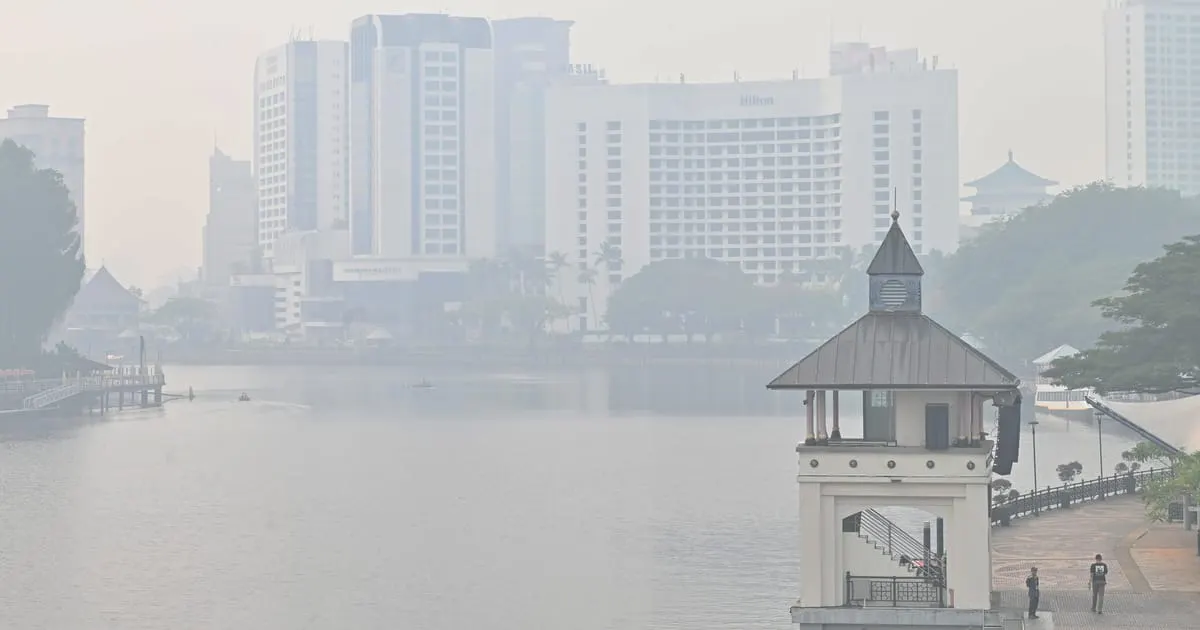
Acrid haze from Indonesian forest fires blanketed parts of Southeast Asia, with air quality reaching hazardous levels in Borneo and the Philippines. Some palm plantation workers were drafted into firefighting, disrupting harvests.
Indonesian hotspots spiked to nearly 10,000 last month, and over 200,000 hectares have burned this year.
Fire-related harvest disruption and smoke-reduced fruit growth tighten near-term palm oil supply, which supports palm oil prices. Prolonged El Niño dryness raises the risk of further output losses.
 freemalaysiatoday.comBloombergSep 1, 2026
After 181 past bullish weather events, PALMOIL moved a median +0.5% over 5 sessions (56% higher; middle half -0.9% to +1.9%), and +0.3% over 20.
Moves of each commodity's benchmark from the last close before the event. Historical reads pool past events of the same kind; they describe what happened, not what will. Not investment advice.
Indonesian fires and haze on 2026-09-01 pulled plantation workers into firefighting and disrupted harvests, a direct supply shock that likely drove the outsized one-day jump.
Indonesian fires and haze pulled plantation workers away from harvesting, creating a near-term supply disruption that supports prices.
