Loading…
 FEEDSOFTAIFEEDSOFTAI
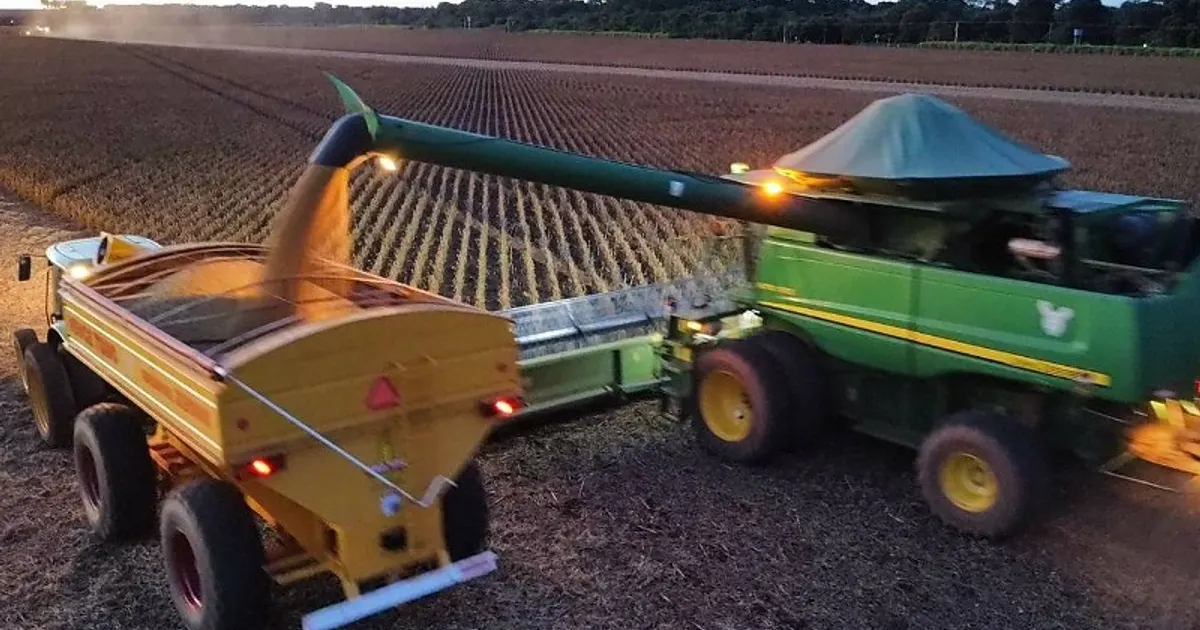
Aprosoja MT field visits in six Mato Grosso municipalities from November 11 to 14 found heat stress and irregular rainfall slowing soybean crops. Mato Grosso received 186 mm of rain from September 1 to October 27, 33% below the historical average, and the state had its second-driest start to the season in 27 years.
One farmer in Jaciara said he needs 70 bags per hectare just to cover production costs.
Dry conditions in Mato Grosso, Brazil's largest soybean state, raise the risk of lower yields and tighter supply of soybean meal. That supports soybean and meal prices if rains do not recover.
 agro.mtNov 23, 2026
After 1,087 past bullish weather events, Soybeans moved a median +0.3% over 5 sessions (55% higher; middle half -1.4% to +2.0%), and +0.9% over 20.
Moves of each commodity's benchmark from the last close before the event. Historical reads pool past events of the same kind; they describe what happened, not what will. Not investment advice.