Loading…
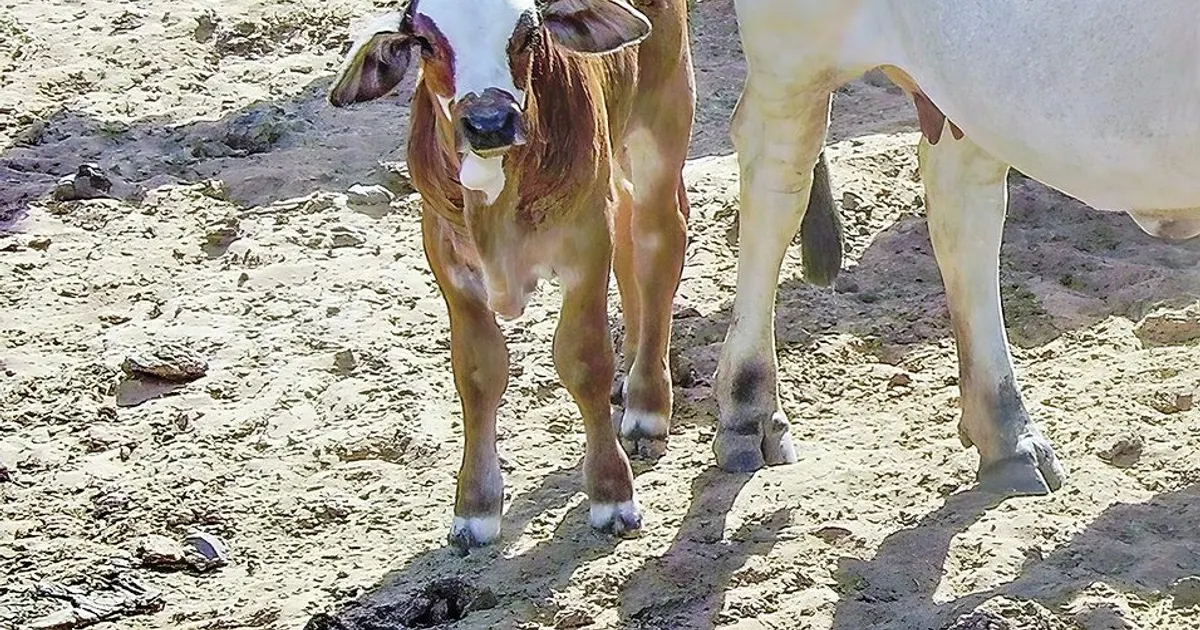
An LSU Extension veterinarian reports that some fall-calving herds are producing smaller calves or calves struggling to gain weight, which she links to heat and drought. Many regions have had months of drought, with temperatures still in the 80s in late November.
She says chronic heat stress during pregnancy can affect fetal development.
Smaller calves and slower gains point to weaker cattle performance and possibly tighter feeder supply later, a modest support for feeder and live cattle prices. The effect on feed buyers is mainly through higher forage and hay demand during drought.
 agproud.comChristine B. NavarreNov 17, 2026
After 79 past bullish weather events, Feeder Cattle moved a median +0.1% over 5 sessions (53% higher; middle half -1.4% to +1.7%), and +1.4% over 20.
Moves of each commodity's benchmark from the last close before the event. Historical reads pool past events of the same kind; they describe what happened, not what will. Not investment advice.
