加载中…
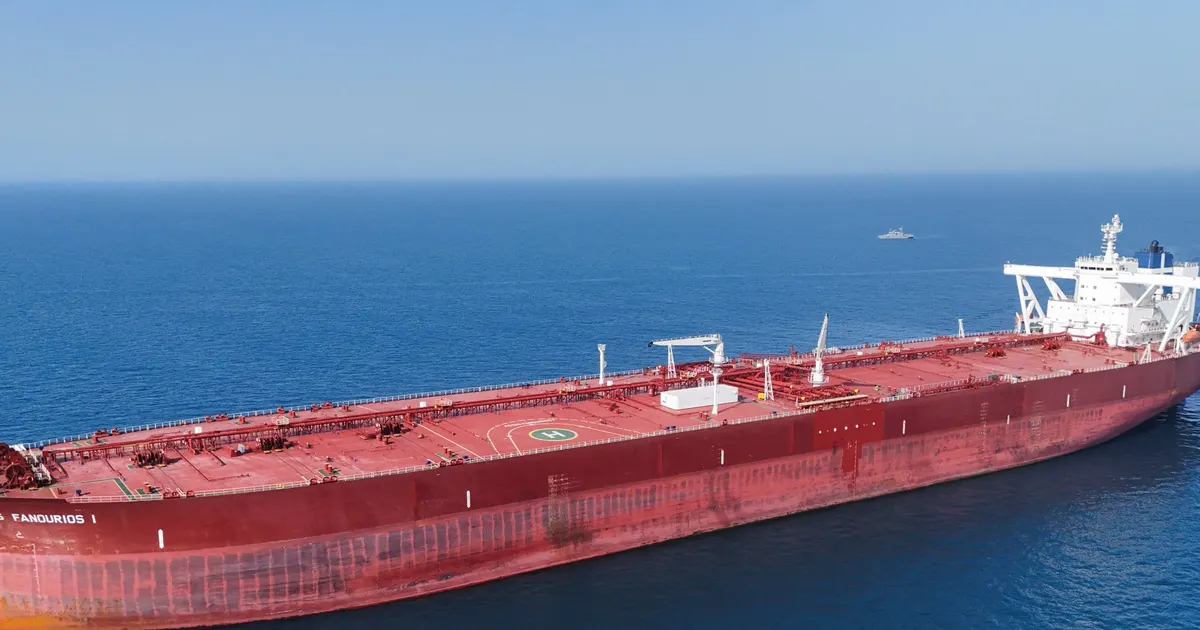
Brent fell more than 9% to $90.38 on Friday after Iran said the Strait of Hormuz was open during a Lebanon ceasefire. On Saturday Iran reversed the decision, saying it would block transit while the US blockade of its ports continued.
Trump said the blockade would stay in force until a broader deal was reached.
The reversal revives supply risk, so crude prices are likely to rebound from their recent lows. Renewed uncertainty keeps energy and fertilizer costs elevated for feed makers.
 aljazeera.comJohn Power2026年4月18日
在过去 656 次看涨的地缘政治事件之后,原油(Brent) 在 5 个交易日内中位数变动 +1.9%(63% 上涨;中间一半区间为 -2.7% 至 +6.6%),20 个交易日内为 +0.7%。
在过去 626 次看涨的地缘政治事件之后,原油(WTI) 在 5 个交易日内中位数变动 +2.1%(62% 上涨;中间一半区间为 -2.3% 至 +8.5%),20 个交易日内为 +1.6%。
在过去 250 次看涨的地缘政治事件之后,ULSD / 柴油 在 5 个交易日内中位数变动 +1.7%(58% 上涨;中间一半区间为 -3.6% 至 +8.7%),20 个交易日内为 +0.9%。
各商品基准价相对事件前最后收盘价的变动。历史数据汇总同类过往事件;仅描述已发生的情况,不代表未来走势。不构成投资建议。
Iran reversing the Hormuz opening on April 18 and the US blockade staying in force renewed supply fears, a plausible driver of a rebound in WTI after the April 17 plunge.
Documents the Friday plunge to $90.38 and the weekend reversal by Iran, giving context for the move and for risk of rebound.
