加载中…
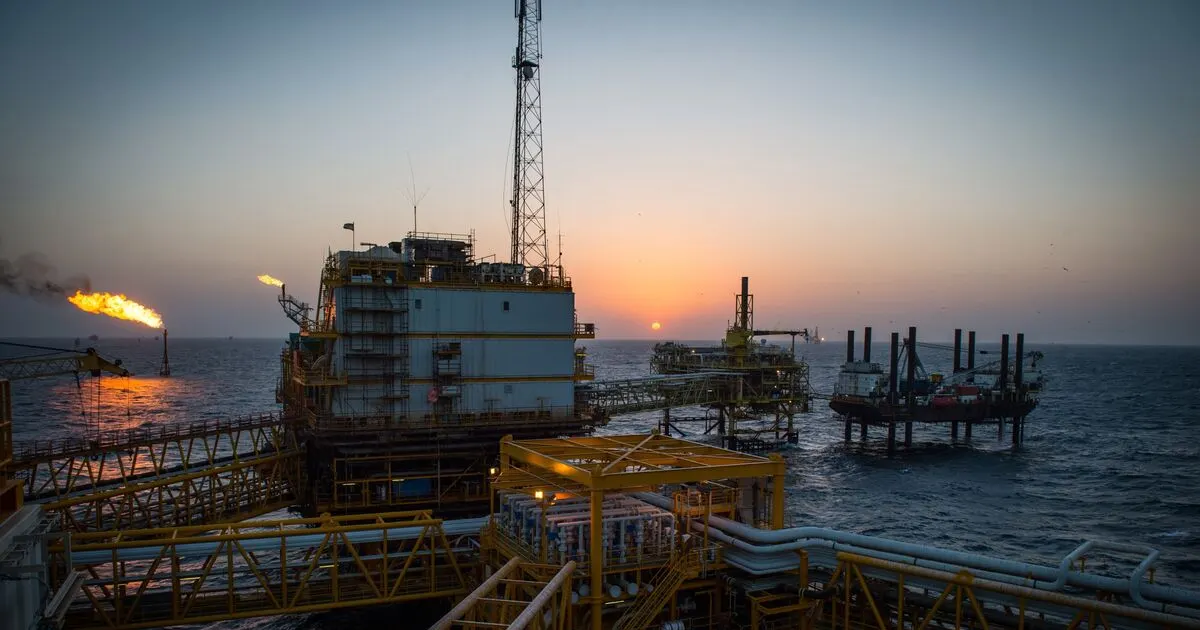
New York oil futures sank to their lowest levels in a year as oil demand in China, the world's largest importer, reportedly fell by about 3 million barrels a day. The drop was attributed to people with inside knowledge of the country's energy sector.
A roughly 3 million barrel per day demand loss is a large share of global consumption, which pressures crude and diesel prices lower. Weaker energy prices also reduce the cost advantage for biofuel feedstocks.
 bloomberg.comJackie Davalos2020年2月3日
在过去 32 次看跌的疫病事件之后,原油(WTI) 在 5 个交易日内中位数变动 -5.2%(13% 上涨;中间一半区间为 -15.0% 至 -2.4%),20 个交易日内为 -5.7%。
在过去 26 次看跌的疫病事件之后,原油(Brent) 在 5 个交易日内中位数变动 -6.0%(15% 上涨;中间一半区间为 -13.3% 至 -2.0%),20 个交易日内为 -6.8%。
各商品基准价相对事件前最后收盘价的变动。历史数据汇总同类过往事件;仅描述已发生的情况,不代表未来走势。不构成投资建议。
Reported ~3 mb/d drop in Chinese oil demand drove the Feb 3 slide to ~$50 WTI, a direct demand shock inside the window.
Same-day report of a reported ~3 mb/d fall in Chinese oil demand pushed futures sharply lower, a direct demand-shock mechanism.
