加载中…
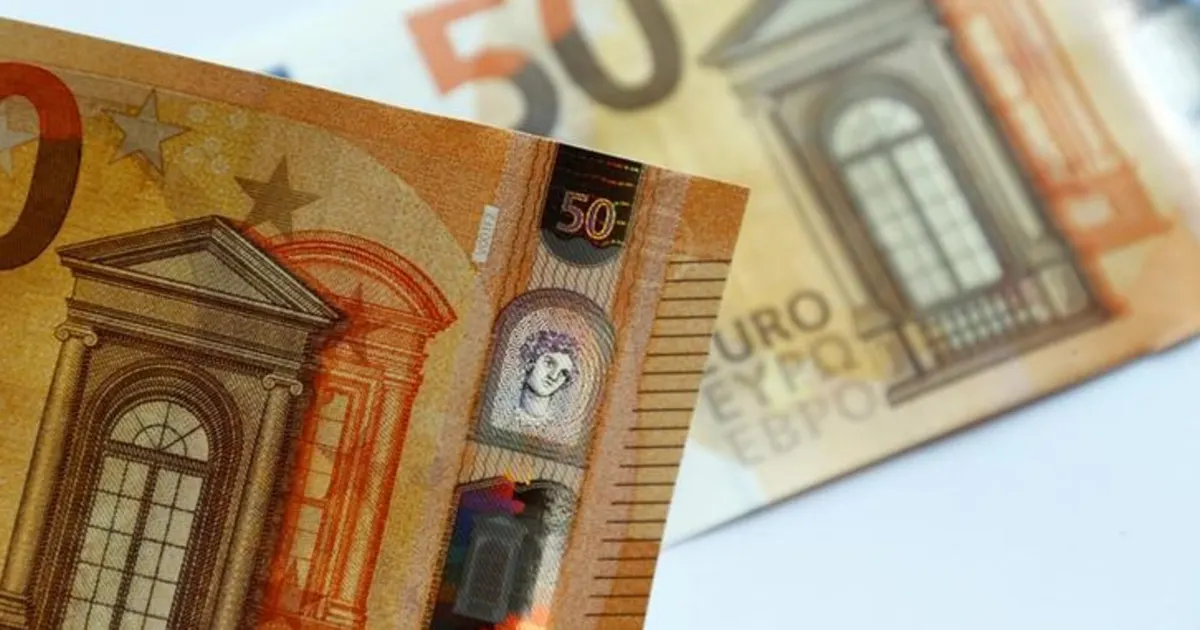
The euro has weakened largely because of diverging monetary policy between the U.S. Federal Reserve, which is raising rates, and the ECB, which is injecting hundreds of billions of euros through quantitative easing. The ECB's ultra-loose policy aims to ward off deflation, shore up banks and reflate the economy.
The weaker currency benefits euro zone exporters.
A weaker euro against the dollar makes euro zone exports more competitive and tends to lower dollar-denominated prices for imported goods, which can weigh on dollar-based feed commodity demand from Europe. Continued dollar strength would pressure U.S. commodity prices in dollar terms.
 reuters.comJamie McGeever2017年2月3日
在过去 533 次看跌的宏观事件之后,欧元(每 EUR 的 USD) 在 5 个交易日内中位数变动 -0.3%(33% 上涨;中间一半区间为 -1.2% 至 +0.2%),20 个交易日内为 -0.5%。
在过去 2,356 次看涨的宏观事件之后,美元(广义) 在 5 个交易日内中位数变动 +0.2%(60% 上涨;中间一半区间为 -0.3% 至 +0.7%),20 个交易日内为 +0.4%。
各商品基准价相对事件前最后收盘价的变动。历史数据汇总同类过往事件;仅描述已发生的情况,不代表未来走势。不构成投资建议。
