加载中…
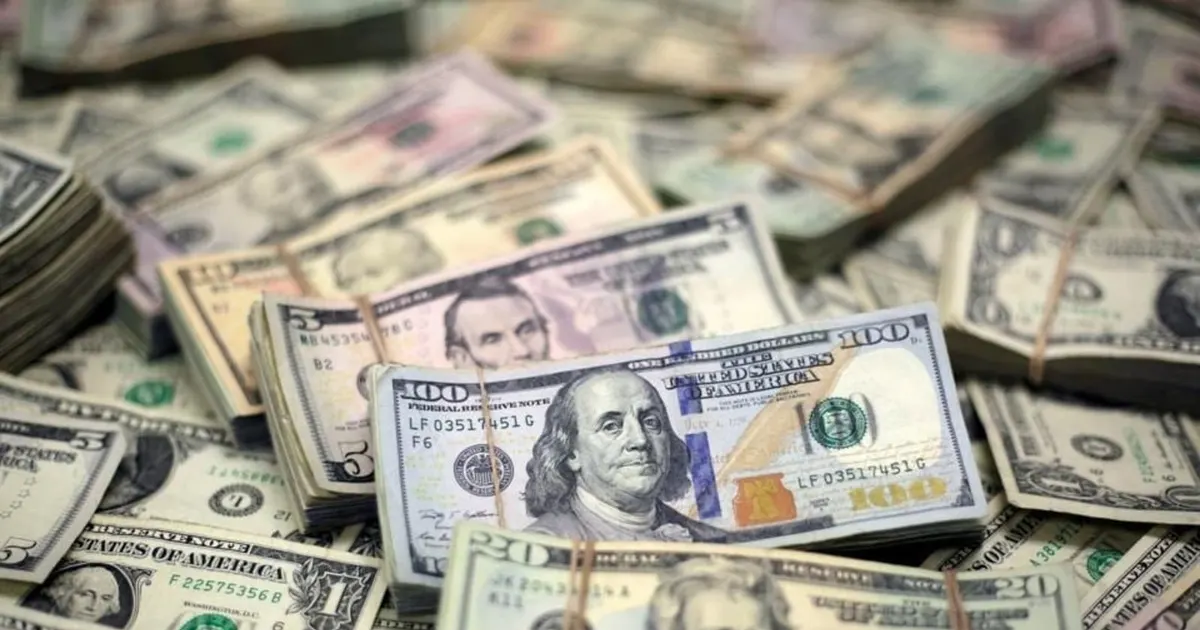
The Bloomberg Dollar Index rose as much as 1.4% on Thursday, its largest intraday gain in nearly two years, as Russia's invasion of Ukraine drove haven demand. The euro fell as much as 1.8% to 1.1106, and Scandinavian currencies declined at least 1%.
A sharp dollar rally raises dollar-denominated feed import costs for buyers outside the US and can weigh on US export prices. The effect is a currency-driven shift rather than a physical supply change.
 hindustantimes.comBloomberg2022年2月24日
在过去 89 次看涨的地缘政治事件之后,美元(广义) 在 5 个交易日内中位数变动 +0.5%(74% 上涨;中间一半区间为 -0.0% 至 +1.0%),20 个交易日内为 +0.3%。
在过去 36 次看跌的地缘政治事件之后,欧元(每 EUR 的 USD) 在 5 个交易日内中位数变动 -1.0%(22% 上涨;中间一半区间为 -1.8% 至 -0.3%),20 个交易日内为 -0.7%。
各商品基准价相对事件前最后收盘价的变动。历史数据汇总同类过往事件;仅描述已发生的情况,不代表未来走势。不构成投资建议。
Reports broad G-10 currency weakness and a 1.4% Bloomberg Dollar Index rise on haven demand, with the euro down sharply on 24 Feb.
Same-day report of the Bloomberg Dollar Index's largest rally since 2020 (up to 1.4%) with G-10 and Scandinavian currencies falling on haven demand.
Report of the Bloomberg Dollar Index's 1.4% jump and the euro's 1.8% drop to 1.1106 on safe-haven flows after the invasion directly explains the sharp euro move.
