加载中…
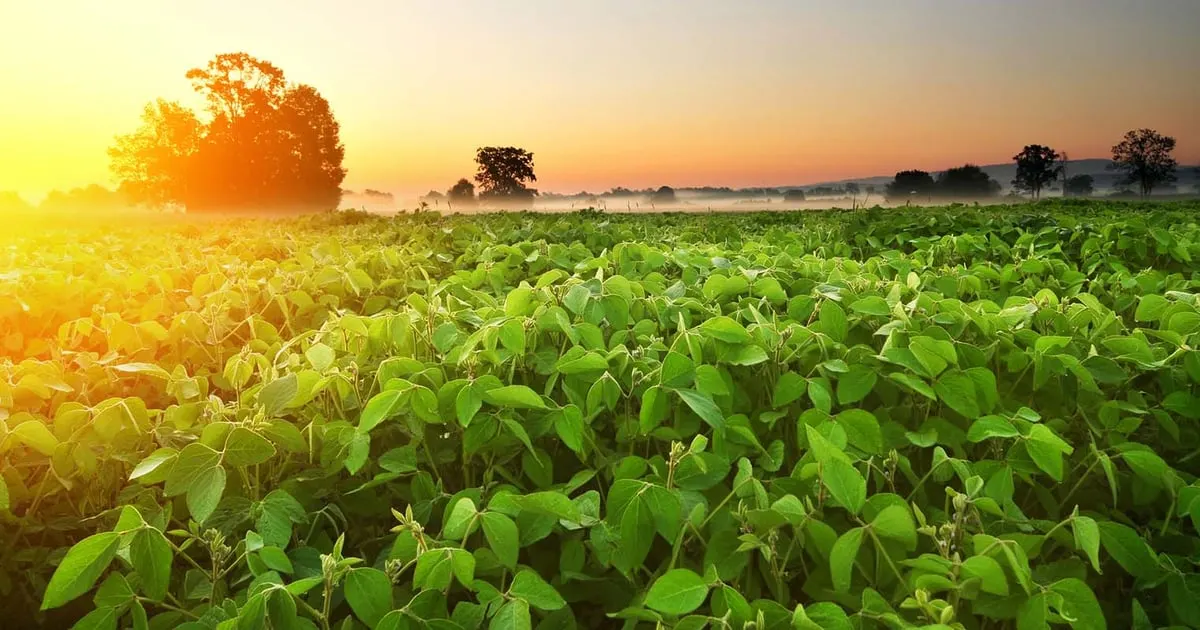
Soybeans have become the focal point of rising U.S.-China trade tensions, with China reportedly studying restrictions on U.S. soybean imports in retaliation for U.S. tariffs on washing machines and solar panels. China buys about a third of the U.S. soybean crop, largely for its hog herd.
Analysts describe soybean curbs as a worst-case scenario for Beijing given pork's importance to consumers.
A possible Chinese soybean import curb would remove a large share of U.S. export demand, pressuring soybean and meal prices. Feed costs for hog and poultry producers could shift depending on how the dispute develops.
 farmprogress.comBloomberg2018年2月15日
在过去 53 次看跌的地缘政治事件之后,大豆 在 5 个交易日内中位数变动 -0.3%(47% 上涨;中间一半区间为 -1.9% 至 +1.2%),20 个交易日内为 +1.0%。
在过去 17 次看跌的地缘政治事件之后,豆粕 在 5 个交易日内中位数变动 -0.1%(47% 上涨;中间一半区间为 -2.4% 至 +1.9%),20 个交易日内为 +0.3%。
各商品基准价相对事件前最后收盘价的变动。历史数据汇总同类过往事件;仅描述已发生的情况,不代表未来走势。不构成投资建议。
