加载中…
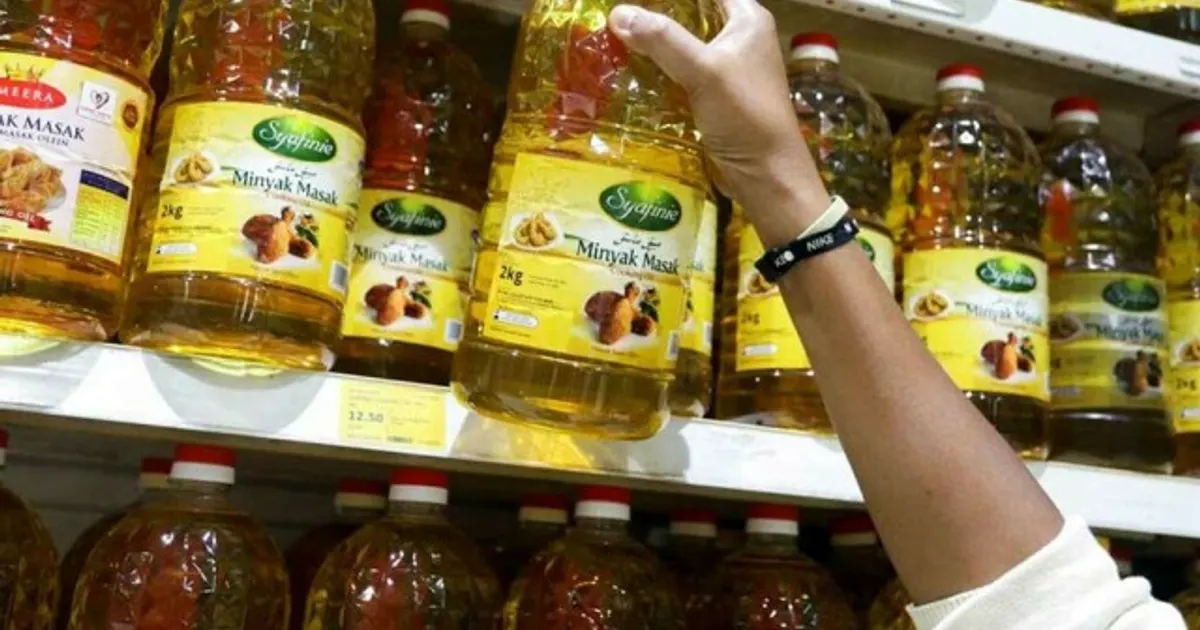
Malaysian palm oil futures fell 4.2% to 4,703 ringgit a tonne on recession fears that hit edible oils, after an intraday drop of about 7%. Malaysia's June exports fell between 7.4% and 13.4% from May as shipments to India and the EU slowed.
Palm later recovered some losses when crude oil rose on supply outages in Libya and Norway.
Recession fears reduce demand for edible oils and biodiesel, while weaker Malaysian exports add to the supply overhang. Stronger crude oil could support palm by making it more competitive as biodiesel feedstock.
 brecorder.comReuters2022年7月1日
在过去 51 次看跌的宏观事件之后,棕榈油 在 5 个交易日内中位数变动 -1.3%(35% 上涨;中间一半区间为 -4.1% 至 +1.1%),20 个交易日内为 -1.8%。
在过去 40 次看跌的宏观事件之后,豆油 在 5 个交易日内中位数变动 -0.8%(45% 上涨;中间一半区间为 -4.5% 至 +1.7%),20 个交易日内为 -1.5%。
在过去 487 次看涨的宏观事件之后,原油(WTI) 在 5 个交易日内中位数变动 +1.0%(60% 上涨;中间一半区间为 -2.0% 至 +4.0%),20 个交易日内为 +1.5%。
各商品基准价相对事件前最后收盘价的变动。历史数据汇总同类过往事件;仅描述已发生的情况,不代表未来走势。不构成投资建议。
4% drop on July 1 on recession fears and a higher supply outlook, with weaker June exports to India and the EU.
Recession fears hit edible oils with an intraday drop of ~7%, alongside weaker June Malaysian exports and a higher supply outlook, matching the window's sharp selloff.
July 1 recession fears and a higher supply outlook hit edible oils, setting up the weak sentiment that carried into the July 4 soyoil drop.
Recession fears and weaker June Malaysian exports hit edible oils just before the move, adding demand-side and sentiment pressure.
