加载中…
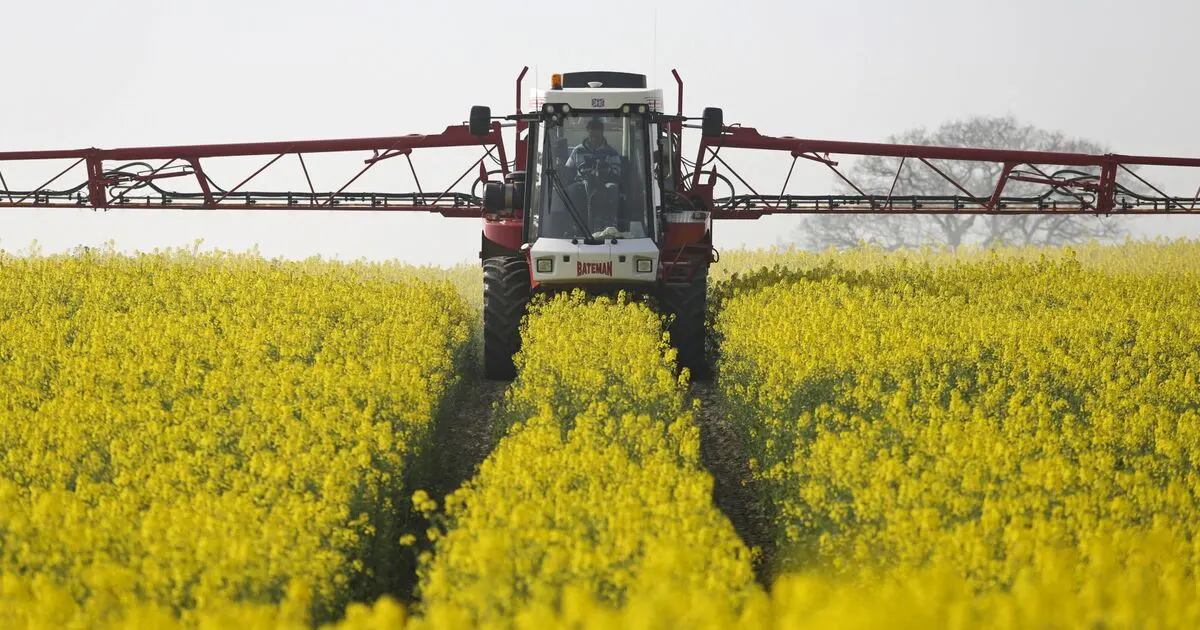
Fertilizer prices have reached a nine-year high as global inflation pushes up input costs. Higher freight rates, increased tariffs, rising energy costs and constrained supplies of nitrogen, potash and phosphate are all contributing.
Growers are applying more fertilizer as corn and wheat values have risen.
Higher fertilizer costs raise the cost of grain production, supporting crop prices and feeding through to feed input costs over time. Elevated nitrogen, potash and phosphate prices also squeeze farm margins and may reduce future planted acreage.
 bloomberg.comElizabeth Elkin2021年8月27日
在过去 92 次看涨的宏观事件之后,尿素 在 5 个交易日内中位数变动 +0.0%(50% 上涨;中间一半区间为 -2.0% 至 +3.6%),20 个交易日内为 +4.8%。
历史可比事件尚不足,暂无法给出历史解读。
在过去 28 次看涨的宏观事件之后,DAP 在 5 个交易日内中位数变动 -0.2%(36% 上涨;中间一半区间为 -0.9% 至 +1.3%),20 个交易日内为 -0.8%。
各商品基准价相对事件前最后收盘价的变动。历史数据汇总同类过往事件;仅描述已发生的情况,不代表未来走势。不构成投资建议。
Bloomberg reported fertilizer prices at a nine-year high on higher freight, energy costs and tight phosphate supply, which directly supports DAP price strength on the day of the move.
Bloomberg reported fertilizer prices at a nine-year high on inflation, freight, energy and tight phosphate supply, which fits the DAP price rise, though it was published a day after the move ended.
