加载中…
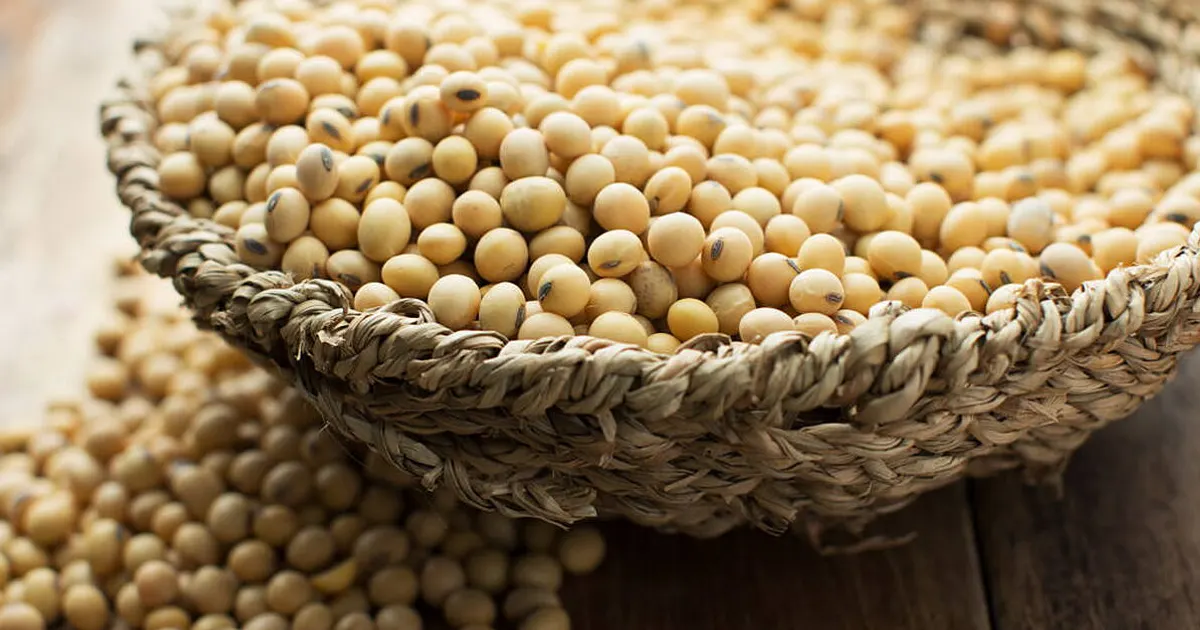
China's soyoil prices rallied to their highest in more than two years in early November as consumers shifted to vegetable oils amid a national pork shortage from African swine fever. Tianjin soybean oil reached 6,500 yuan per tonne on November 4, its highest since March 2017.
Low soybean inventories, slowed imports amid US tariffs, also supported prices.
Pork shortages are boosting demand for vegetable oils and substitute proteins while tight soyoil stocks limit supply, supporting soyoil and palm oil prices and adding to feed-protein demand uncertainty.
 esmmagazine.comDayeeta Das2019年11月5日
在过去 13 次疫病事件之后,豆油 在 5 个交易日内中位数变动 -0.3%(38% 上涨;中间一半区间为 -2.3% 至 +1.2%),20 个交易日内为 -4.6%。
在过去 16 次疫病事件之后,棕榈油 在 5 个交易日内中位数变动 +0.3%(56% 上涨;中间一半区间为 -3.2% 至 +1.5%),20 个交易日内为 -7.7%。
在过去 12 次看涨的疫病事件之后,大豆 在 5 个交易日内中位数变动 -0.5%(42% 上涨;中间一半区间为 -1.6% 至 +0.1%),20 个交易日内为 +0.5%。
在过去 69 次中性的疫病事件之后,活牛 在 5 个交易日内中位数变动 -0.1%(42% 上涨;中间一半区间为 -0.8% 至 +0.6%),20 个交易日内为 +0.9%。
各商品基准价相对事件前最后收盘价的变动。历史数据汇总同类过往事件;仅描述已发生的情况,不代表未来走势。不构成投资建议。
Chinese soyoil at two-year highs on pork shortage and low soy stocks lifts the vegetable oil complex and palm demand.
