加载中…
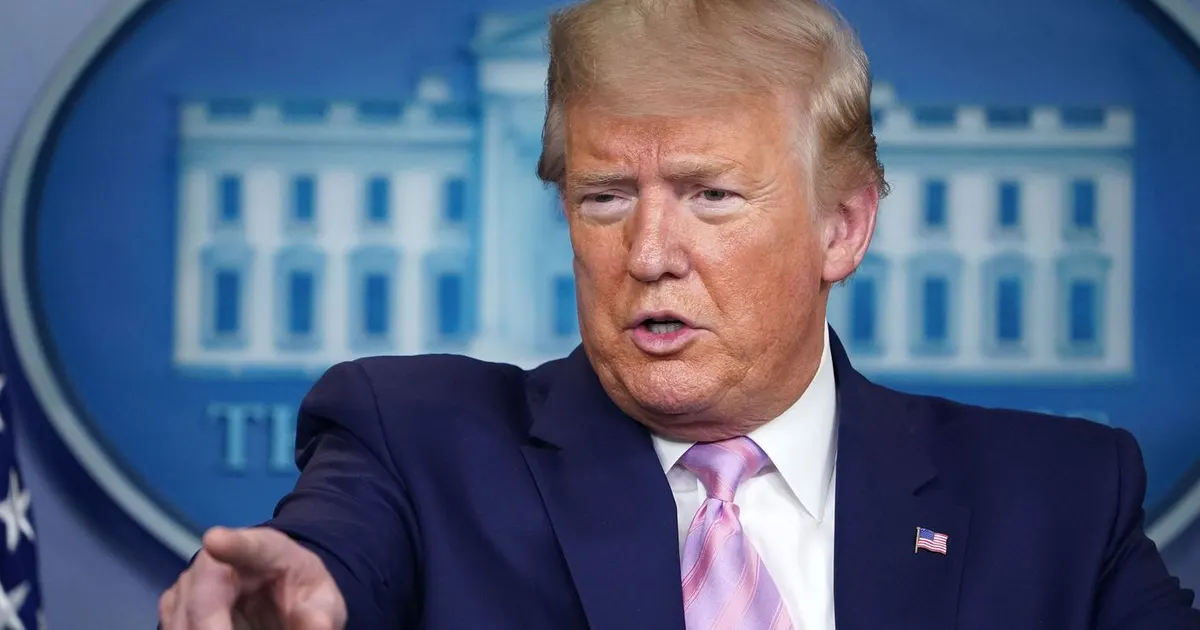
Oil prices surged on April 2, 2020, after Trump tweeted that Saudi Arabia and Russia were preparing to cut production by 10 million to 15 million barrels a day, but much of the gain faded as neither country confirmed it. Saudi Arabia called for an urgent OPEC+ meeting, and a WSJ report said Riyadh would consider large curbs if others joined.
The possibility of a major OPEC+ supply cut supports crude and energy costs, but the lack of confirmation limits the durability of the move. Continued weak demand from the coronavirus outbreak still pressures prices.
 axios.comBen Geman2020年4月2日
在过去 626 次看涨的地缘政治事件之后,原油(WTI) 在 5 个交易日内中位数变动 +2.1%(62% 上涨;中间一半区间为 -2.3% 至 +8.5%),20 个交易日内为 +1.6%。
在过去 656 次看涨的地缘政治事件之后,原油(Brent) 在 5 个交易日内中位数变动 +1.9%(63% 上涨;中间一半区间为 -2.7% 至 +6.6%),20 个交易日内为 +0.7%。
各商品基准价相对事件前最后收盘价的变动。历史数据汇总同类过往事件;仅描述已发生的情况,不代表未来走势。不构成投资建议。
Trump's tweet about 10-15M bpd cuts and Saudi call for an urgent OPEC+ meeting spiked prices on April 2 despite lack of confirmation.
Trump's claim of a 10-15 million bpd Saudi-Russia cut and the Saudi call for an urgent OPEC+ meeting drove the surge, though doubts capped some gains.
Describes the Trump-announced supply-cut surge and the Saudi call for an urgent OPEC+ meeting, though part of the gain faded.
Trump's tweet on major supply cuts and Saudi's call for an urgent OPEC+ meeting drove the surge, though gains partly faded.
Trump's tweet on Saudi-Russia cuts and Saudi call for urgent OPEC+ meeting fueled the surge, though gains partly faded without confirmation.
