加载中…
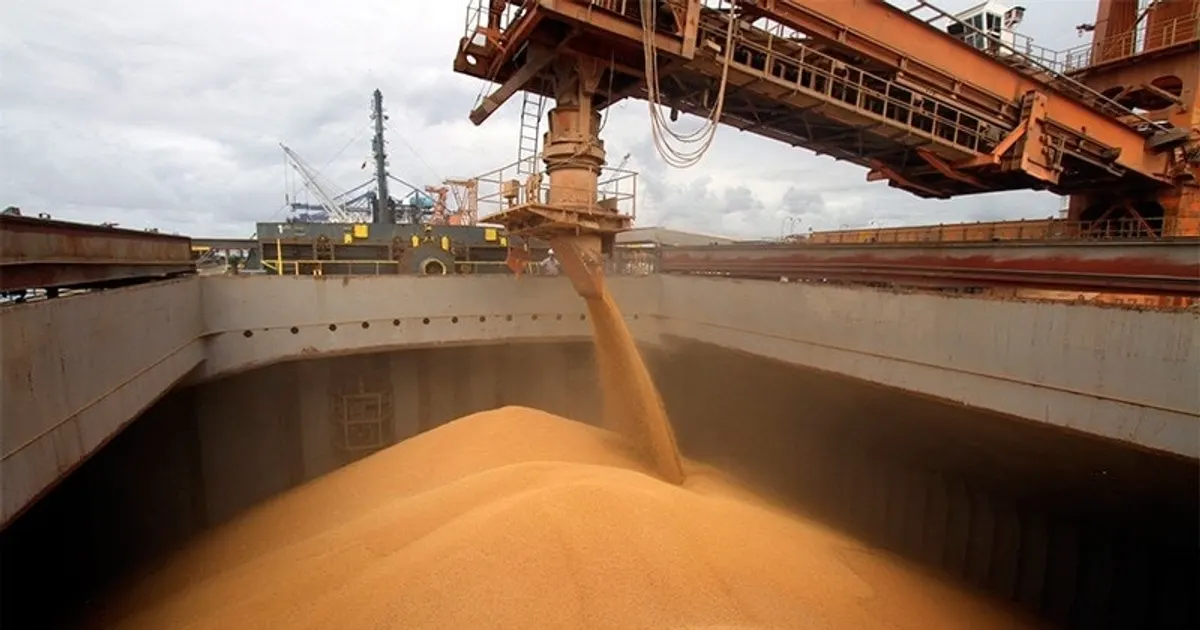
Argentina's grain receivers union Urgara announced a port work stoppage from March 19 to March 25, arguing grain classification is not essential under the COVID-19 isolation decree. Business chambers warned the strike could jeopardize loading of 18 ships carrying about 2.2 million tonnes of grain, and a mandatory conciliation by the Labor Ministry was expected.
Disrupted port loadings delay Argentine soybean, meal and corn export flows, tightening nearby supplies and supporting meal and oil prices while shipments are held up.
 aduananews.comAduanaNews2020年3月21日
在过去 167 次看涨的物流事件之后,豆粕 在 5 个交易日内中位数变动 +0.5%(54% 上涨;中间一半区间为 -1.8% 至 +2.9%),20 个交易日内为 -1.2%。
在过去 206 次看涨的物流事件之后,大豆 在 5 个交易日内中位数变动 +0.5%(56% 上涨;中间一半区间为 -1.3% 至 +2.6%),20 个交易日内为 +1.4%。
在过去 285 次看涨的物流事件之后,玉米 在 5 个交易日内中位数变动 +0.1%(52% 上涨;中间一半区间为 -1.5% 至 +1.5%),20 个交易日内为 +0.8%。
各商品基准价相对事件前最后收盘价的变动。历史数据汇总同类过往事件;仅描述已发生的情况,不代表未来走势。不构成投资建议。
Argentine port grain receivers' strike (Mar 19-25) put loading of 18 ships and 2.2 Mt at risk, tightening soymeal export supply.
The Argentine port strike threatened loading of 18 ships carrying about 2.2 million tonnes of grain, which would cut the supply reaching export markets and support US soybean prices.
Argentine grain receivers' port strike from March 19 threatened loading of 18 ships, which implies tighter soymeal export supply from the world's top exporter and supports prices.
The Argentine port strike was set to end March 25 with mandatory conciliation expected, so easing supply fears could remove the premium.
