加载中…
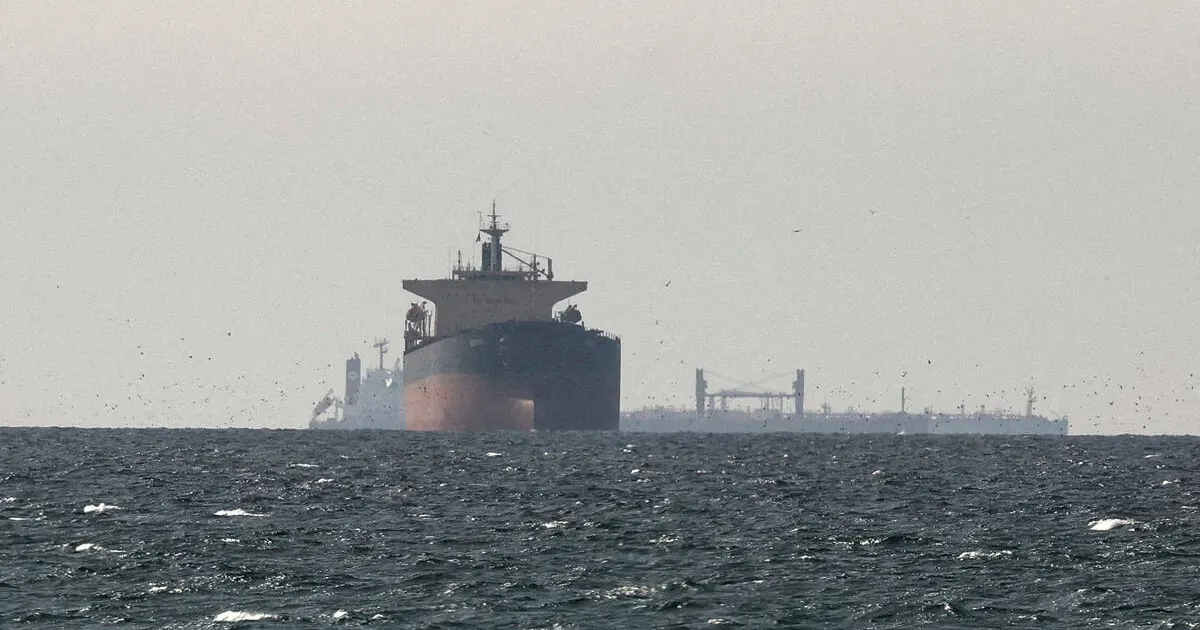
Fertilizer shipments through the Strait of Hormuz have started to pick up following an interim deal to end the Iran war announced June 15. About 640,000 tonnes of sulphur and 427,000 tonnes of urea have transited since then, far above wartime volumes.
Analysts say flows will take time to return to pre-conflict levels.
Resumed Gulf urea and sulphur flows ease the supply squeeze that lifted fertilizer prices, which should pressure urea and DAP prices lower as cargoes arrive. Full normalization is not expected until later in the summer, so relief will be gradual.
 producer.comReuters2026年6月26日
在过去 17 次看跌的地缘政治事件之后,尿素 在 5 个交易日内中位数变动 -1.9%(41% 上涨;中间一半区间为 -3.1% 至 +2.8%),20 个交易日内为 +0.2%。
在过去 126 次地缘政治事件之后,DAP 在 5 个交易日内中位数变动 0.0%(48% 上涨;中间一半区间为 -0.7% 至 +1.2%),20 个交易日内为 +0.2%。
各商品基准价相对事件前最后收盘价的变动。历史数据汇总同类过往事件;仅描述已发生的情况,不代表未来走势。不构成投资建议。
Fertilizer and sulphur shipments resuming through Hormuz after the June 15 interim deal ease input-cost and supply fears, a plausible driver of a sharp DAP price drop, though the event is dated a day after the move.
