加载中…
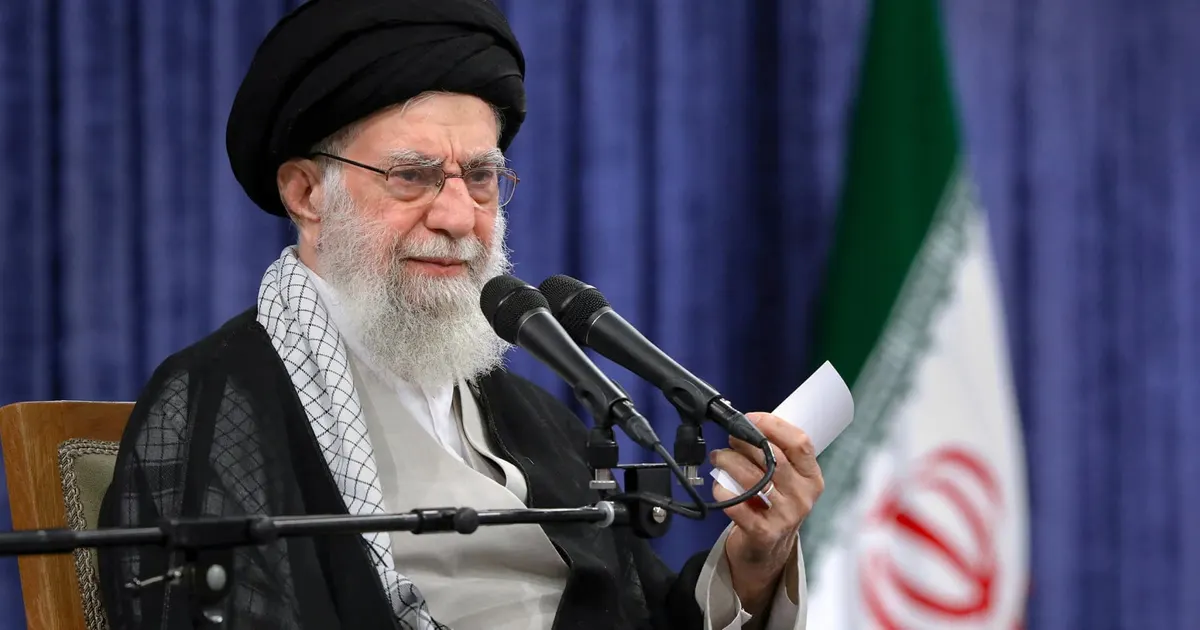
Crude futures jumped about $5 a barrel on June 13 after Israel launched airstrikes against Iran without US support. US crude rose 7.26% to $72.98 and Brent gained 7.02% to $74.23, the strongest gains since March 2022.
Iran responded with missile fire at Israel that evening.
Traders see the conflict as a threat to Gulf oil flows, which pushes crude prices sharply higher. The resulting energy cost increase feeds through to feed transport and processing costs.
 cnbc.comSpencer Kimball, Lee Ying Shan, Ruxandra Iordache, Sam Meredith2025年6月13日
在过去 656 次看涨的地缘政治事件之后,原油(Brent) 在 5 个交易日内中位数变动 +1.9%(63% 上涨;中间一半区间为 -2.7% 至 +6.6%),20 个交易日内为 +0.7%。
在过去 626 次看涨的地缘政治事件之后,原油(WTI) 在 5 个交易日内中位数变动 +2.1%(62% 上涨;中间一半区间为 -2.3% 至 +8.5%),20 个交易日内为 +1.6%。
各商品基准价相对事件前最后收盘价的变动。历史数据汇总同类过往事件;仅描述已发生的情况,不代表未来走势。不构成投资建议。
Israel's June 13 airstrikes on Iran drove US crude up about 7% to $72.98, the core supply-risk shock behind the 5-day WTI move.
Israel's June 13 airstrikes on Iran sent WTI up about 7% to $72.98, the largest one-day gain since March 2022, which accounts for most of the 5-day move (sentiment/supply-risk premium).
Israeli airstrikes on Iran on June 13 drove the biggest crude gains since March 2022, a geopolitical supply-risk premium that matches the move.
Crude jumped about $5 on June 13 after the Israeli strikes and Iran's missile response, the biggest gain since March 2022, driving the weekly move.
Crude jumped about $5 on June 13 after Israeli airstrikes on Iran, the strongest gains since 2022, which accounts for much of the weekly move.
