Đang tải…
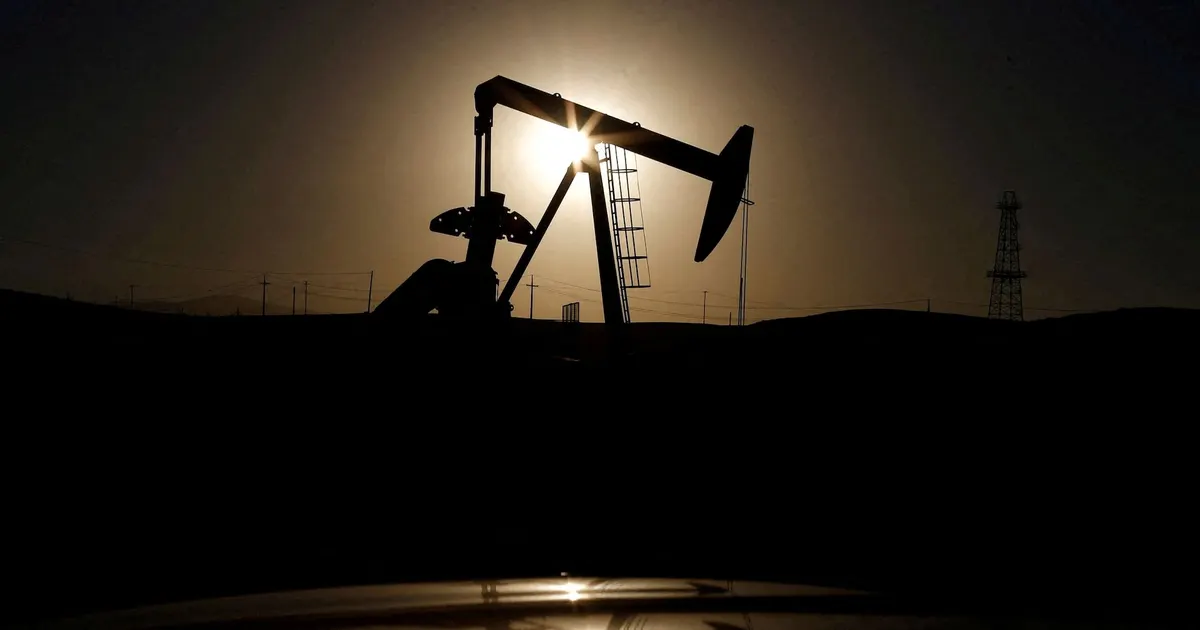
Oil prices rose 8% on Thursday, March 17, 2022, recovering from several days of losses. The rebound reflected renewed concern about supply shortages in the coming weeks because of sanctions on Russia, the world's second-largest crude exporter.
Sanctions-driven supply fears lift crude prices, which raise diesel, freight and fertilizer costs for feed producers and support biofuel-linked feedstocks such as soybean oil and corn.
 cnbc.comReuters17 thg 3, 2022
 reuters.comArathy Somasekhar17 thg 3, 2022
Sau 626 sự kiện địa chính trị tăng giá trước đây, Dầu thô (WTI) biến động trung vị +2,1% trong 5 phiên (tăng 62%; nửa giữa từ -2,3% đến +8,5%), và +1,6% trong 20 phiên.
Sau 656 sự kiện địa chính trị tăng giá trước đây, Dầu thô (Brent) biến động trung vị +1,9% trong 5 phiên (tăng 63%; nửa giữa từ -2,7% đến +6,6%), và +0,7% trong 20 phiên.
Sau 250 sự kiện địa chính trị tăng giá trước đây, ULSD / Dầu diesel biến động trung vị +1,7% trong 5 phiên (tăng 58%; nửa giữa từ -3,6% đến +8,7%), và +0,9% trong 20 phiên.
Biến động benchmark của từng hàng hóa so với giá đóng cửa trước sự kiện. Số liệu lịch sử gộp các sự kiện cùng loại trong quá khứ; chúng mô tả điều đã xảy ra, không phải điều sẽ xảy ra. Không phải tư vấn đầu tư.
Oil rose 8% on March 17 on renewed fears of Russian supply shortages from sanctions, driving the rebound in ULSD during the window.
The 8% rebound on March 17 on renewed Russian supply-shortage fears began the recovery from the March 15-16 low, lifting the 5-day change.
The 8% rebound on March 17 on Russian supply shortage concerns raised the base from which the later gains were measured and signalled the upward momentum.
