Đang tải…
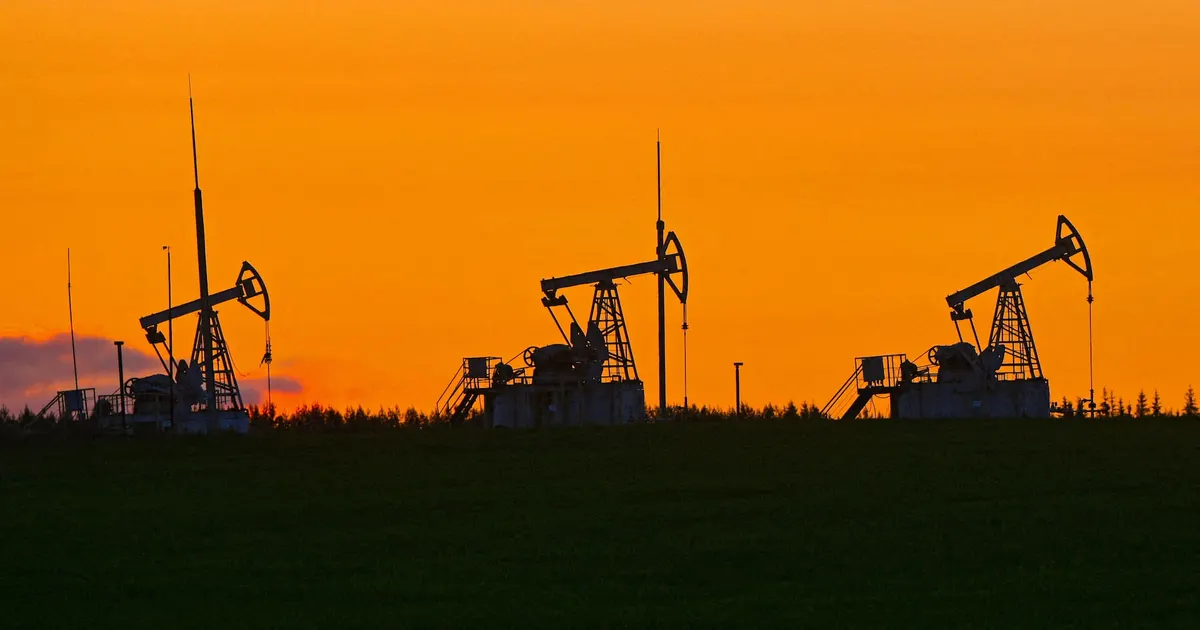
Oil prices surged about 5% to a two-week high after the US imposed sanctions on Rosneft and Lukoil over Russia's war in Ukraine. Brent settled at $65.99 and WTI at $61.79, and energy firms in China and India were weighing cuts to Russian imports.
If Chinese and Indian buyers cut Russian crude, global supply tightens and crude prices stay elevated. Higher crude supports biofuel and diesel costs, which can lift soybean oil and other energy-linked feed inputs.
 reuters.comScott Disavino22 thg 10, 2025
Sau 656 sự kiện địa chính trị tăng giá trước đây, Dầu thô (Brent) biến động trung vị +1,9% trong 5 phiên (tăng 63%; nửa giữa từ -2,7% đến +6,6%), và +0,7% trong 20 phiên.
Sau 626 sự kiện địa chính trị tăng giá trước đây, Dầu thô (WTI) biến động trung vị +2,1% trong 5 phiên (tăng 62%; nửa giữa từ -2,3% đến +8,5%), và +1,6% trong 20 phiên.
Sau 250 sự kiện địa chính trị tăng giá trước đây, ULSD / Dầu diesel biến động trung vị +1,7% trong 5 phiên (tăng 58%; nửa giữa từ -3,6% đến +8,7%), và +0,9% trong 20 phiên.
Biến động benchmark của từng hàng hóa so với giá đóng cửa trước sự kiện. Số liệu lịch sử gộp các sự kiện cùng loại trong quá khứ; chúng mô tả điều đã xảy ra, không phải điều sẽ xảy ra. Không phải tư vấn đầu tư.
Reuters report dated Oct 22 of oil surging about 5% after US sanctions on Rosneft and Lukoil, with Brent settling near $66, directly matches the 1-day move through 2025-10-22.
US sanctions on Rosneft and Lukoil threaten Russian crude supply and trade flows, driving Brent up about 5% to a two-week high.
US sanctions on Rosneft and Lukoil on Oct 22 sent crude up ~5%, a supply-risk shock that directly lifted ULSD futures the same day.
The sanctions on Russian majors drove a ~5% crude surge, lifting diesel via input cost and supply-risk sentiment; the settlement is dated Oct 22 but the move carried into the Oct 23 diesel session.
