Đang tải…
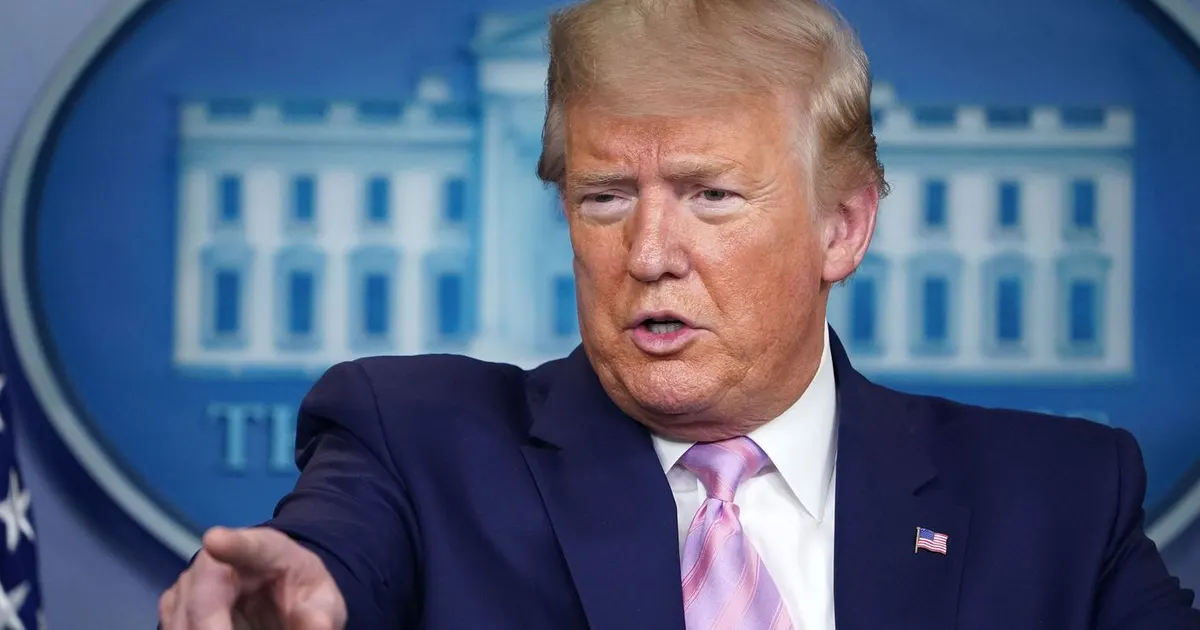
Oil prices surged on April 2, 2020, after Trump tweeted that Saudi Arabia and Russia were preparing to cut production by 10 million to 15 million barrels a day, but much of the gain faded as neither country confirmed it. Saudi Arabia called for an urgent OPEC+ meeting, and a WSJ report said Riyadh would consider large curbs if others joined.
The possibility of a major OPEC+ supply cut supports crude and energy costs, but the lack of confirmation limits the durability of the move. Continued weak demand from the coronavirus outbreak still pressures prices.
 axios.comBen Geman2 thg 4, 2020
Sau 626 sự kiện địa chính trị tăng giá trước đây, Dầu thô (WTI) biến động trung vị +2,1% trong 5 phiên (tăng 62%; nửa giữa từ -2,3% đến +8,5%), và +1,6% trong 20 phiên.
Sau 656 sự kiện địa chính trị tăng giá trước đây, Dầu thô (Brent) biến động trung vị +1,9% trong 5 phiên (tăng 63%; nửa giữa từ -2,7% đến +6,6%), và +0,7% trong 20 phiên.
Biến động benchmark của từng hàng hóa so với giá đóng cửa trước sự kiện. Số liệu lịch sử gộp các sự kiện cùng loại trong quá khứ; chúng mô tả điều đã xảy ra, không phải điều sẽ xảy ra. Không phải tư vấn đầu tư.
Trump's tweet about 10-15M bpd cuts and Saudi call for an urgent OPEC+ meeting spiked prices on April 2 despite lack of confirmation.
Trump's claim of a 10-15 million bpd Saudi-Russia cut and the Saudi call for an urgent OPEC+ meeting drove the surge, though doubts capped some gains.
Describes the Trump-announced supply-cut surge and the Saudi call for an urgent OPEC+ meeting, though part of the gain faded.
Trump's tweet on major supply cuts and Saudi's call for an urgent OPEC+ meeting drove the surge, though gains partly faded.
Trump's tweet on Saudi-Russia cuts and Saudi call for urgent OPEC+ meeting fueled the surge, though gains partly faded without confirmation.
