Đang tải…
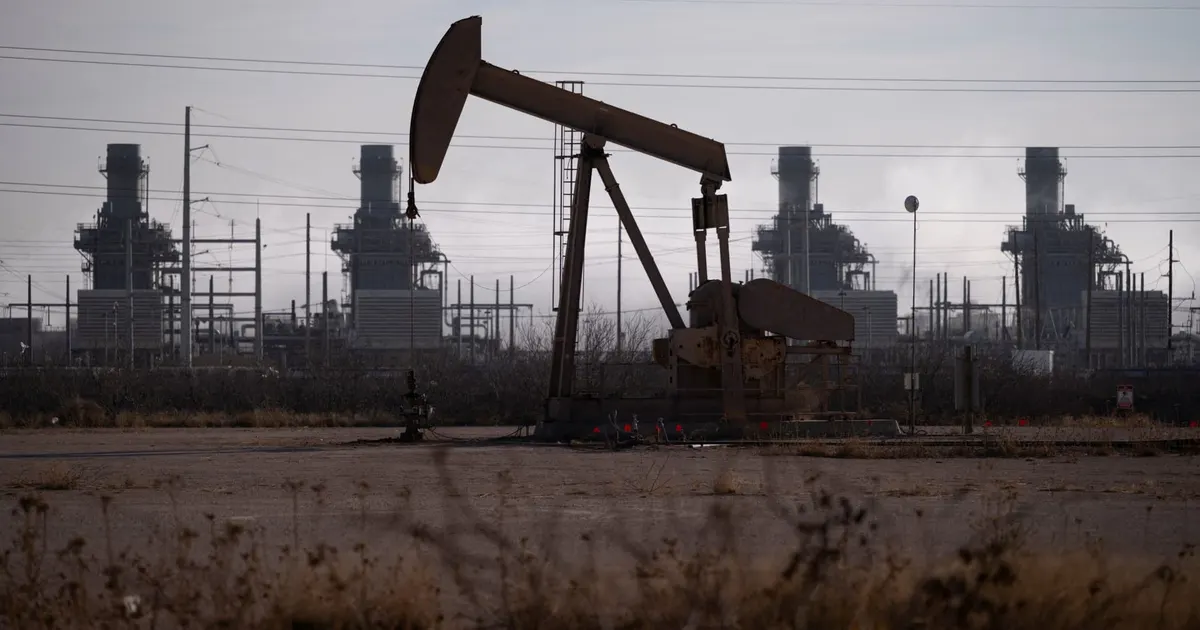
U.S. crude posted its biggest weekly gain in futures history, rising about 35% to $90.90, while Brent gained about 28% for its biggest weekly gain since April 2020. The surge followed Trump's demand for Iran's unconditional surrender and Qatar's warning that Gulf exports could halt if Hormuz tankers cannot pass.
A near standstill in Hormuz traffic threatens global fuel supply, pushing up energy, fertilizer and freight costs that squeeze feed margins and could lift vegetable oil prices through biofuel demand.
 cnbc.comSpencer Kimball, Chloe Taylor, Sam Meredith6 thg 3, 2026
Sau 626 sự kiện địa chính trị tăng giá trước đây, Dầu thô (WTI) biến động trung vị +2,1% trong 5 phiên (tăng 62%; nửa giữa từ -2,3% đến +8,5%), và +1,6% trong 20 phiên.
Sau 656 sự kiện địa chính trị tăng giá trước đây, Dầu thô (Brent) biến động trung vị +1,9% trong 5 phiên (tăng 63%; nửa giữa từ -2,7% đến +6,6%), và +0,7% trong 20 phiên.
Sau 205 sự kiện địa chính trị tăng giá trước đây, Urê biến động trung vị +0,4% trong 5 phiên (tăng 53%; nửa giữa từ -2,1% đến +3,0%), và -0,4% trong 20 phiên.
Chưa đủ sự kiện tương tự trong quá khứ để đọc xu hướng lịch sử.
Biến động benchmark của từng hàng hóa so với giá đóng cửa trước sự kiện. Số liệu lịch sử gộp các sự kiện cùng loại trong quá khứ; chúng mô tả điều đã xảy ra, không phải điều sẽ xảy ra. Không phải tư vấn đầu tư.
Documents the record weekly gain ending March 6 driven by Hormuz closure risk and Qatar's warning of halted Gulf exports.
US crude posted a record ~35% weekly gain to $90.90 as Hormuz disruption and Gulf export-halt warnings drove the move.
Dated March 6, it reports record weekly oil gains and cites Trump's surrender demand and Qatar's warning that Gulf exports could halt, which directly fits the Brent jump that day.
Weekly summary tied to Qatar's warning that Gulf exports could halt and Trump's demand for surrender, which are escalation catalysts adding to the late-week rally.
