Đang tải…
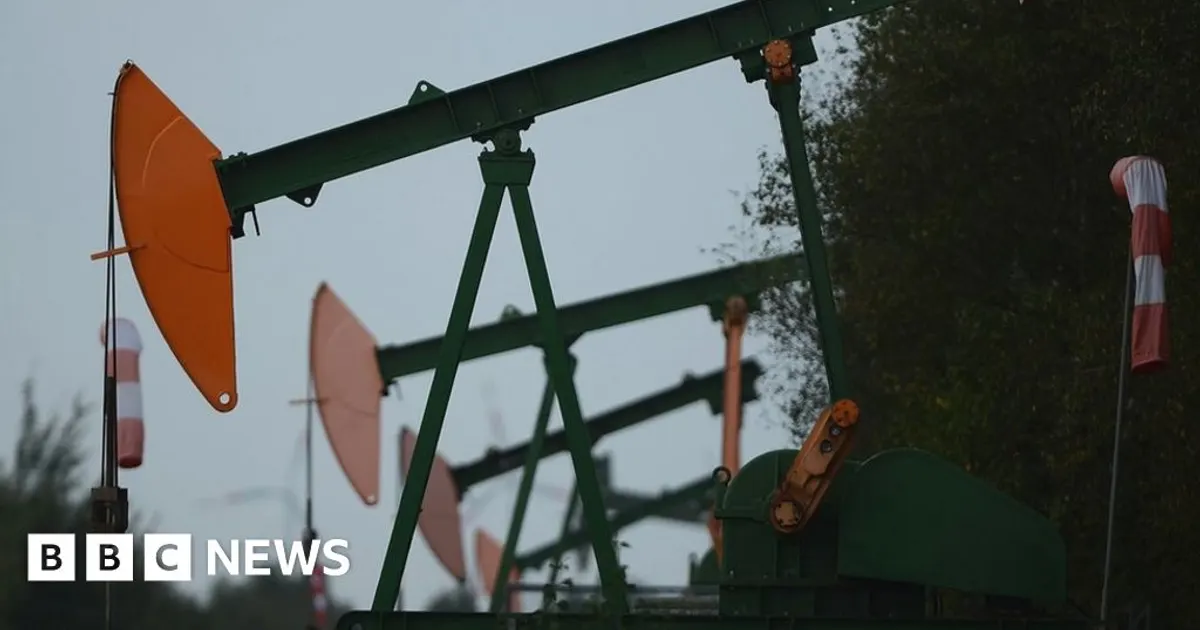
US oil prices turned negative for the first time, with WTI falling as low as minus $37.63 a barrel. Producers paid buyers to take crude as storage capacity was expected to run out, while lockdowns had dried up demand.
The negative price reflects a storage-driven glut from lockdown-driven demand loss, signalling deep downward pressure on crude. Lower energy prices reduce input costs but also weaken biofuel economics that support vegetable oil and grain demand.
 bbc.comAdd as preferred on Google20 thg 4, 2020
Sau 565 sự kiện vĩ mô giảm giá trước đây, Dầu thô (WTI) biến động trung vị -1,4% trong 5 phiên (tăng 41%; nửa giữa từ -5,9% đến +3,0%), và -0,5% trong 20 phiên.
Sau 312 sự kiện vĩ mô giảm giá trước đây, Dầu thô (Brent) biến động trung vị -1,7% trong 5 phiên (tăng 38%; nửa giữa từ -5,4% đến +2,3%), và -1,7% trong 20 phiên.
Biến động benchmark của từng hàng hóa so với giá đóng cửa trước sự kiện. Số liệu lịch sử gộp các sự kiện cùng loại trong quá khứ; chúng mô tả điều đã xảy ra, không phải điều sẽ xảy ra. Không phải tư vấn đầu tư.
WTI turning negative on 20 April signaled storage exhaustion and demand collapse, spilling over into Brent via sentiment and a rush out of futures.
WTI going negative on Apr 20 triggered contagion and panic into Brent, with the storage shortage signaling the same glut risk globally.
